

Crawl Space Encapsulation Cost in Montebello, CA
Transparent Crawl Space Encapsulation Cost Pricing for Montebello, CA Homeowners — Free Estimates
Learn about crawl space encapsulation cost in Montebello, CA. Get local pricing, expert service, and free estimates from Armour Montebello Insulation. Call (323) 741-5848.
Crawl space encapsulation is the process of sealing your home’s crawl space with heavy-duty vapor barriers, insulation, and moisture control systems to prevent humidity, pests, and structural damage from infiltrating your living areas. In Montebello, CA — a city built largely during the mid-20th century housing boom on the eastern edge of Los Angeles County — older pier-and-beam and raised-foundation homes are especially vulnerable to the moisture and soil conditions unique to the San Gabriel Valley floor.
At Armour Montebello Insulation, we specialize in crawl space encapsulation solutions designed specifically for Montebello’s climate, soil composition, and housing stock. Our team understands the local variables — from the area’s expansive clay soils to the marine layer humidity that settles in the basin — and we tailor every project accordingly. Whether you’re dealing with musty odors, sagging floors, or skyrocketing energy bills, our technicians deliver lasting protection. Call us today at (323) 741-5848 for a thorough assessment.
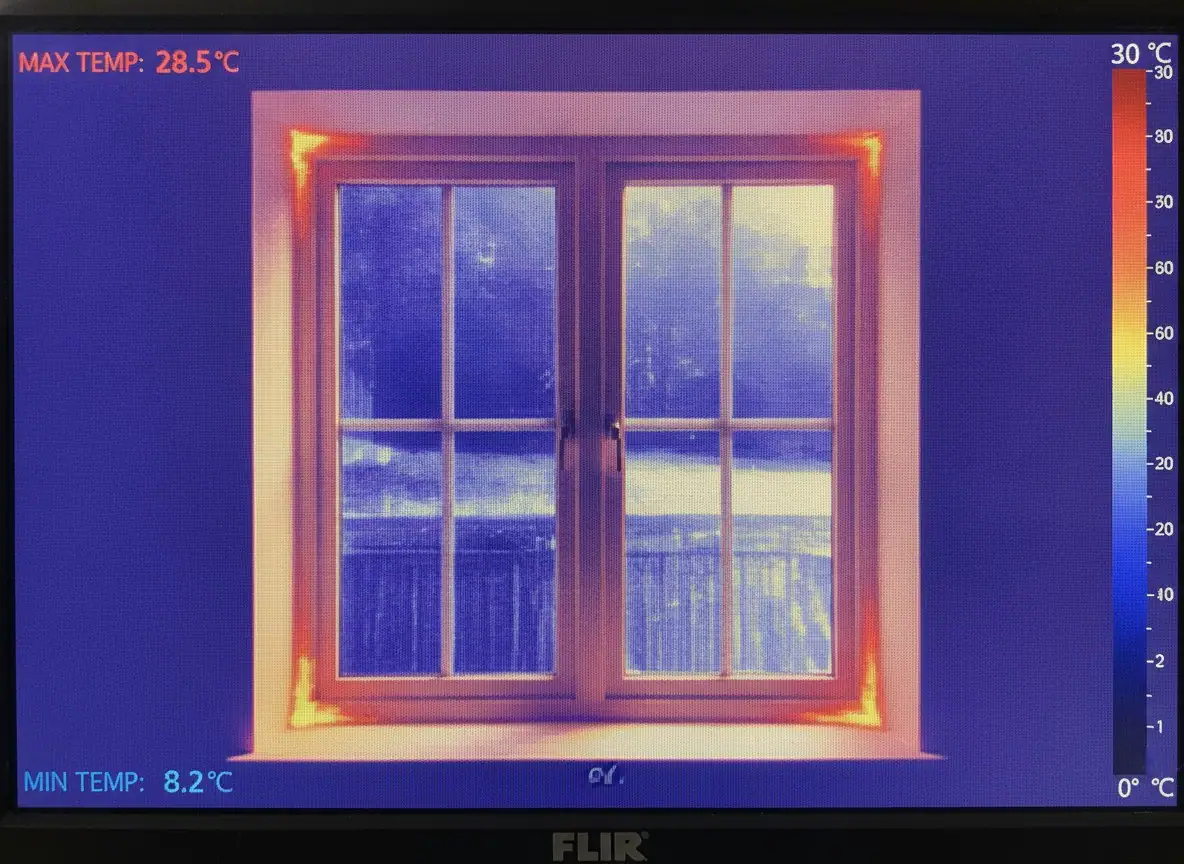
Understanding Crawl Space Encapsulation in Montebello
Crawl space encapsulation is a comprehensive moisture management strategy that transforms an open, vented crawl space into a sealed, conditioned environment. Unlike simple vapor barriers placed loosely on the ground, full encapsulation involves sealing the floor, walls, and sometimes the ceiling of the crawl space with reinforced polyethylene sheeting — typically 12 to 20 mil thickness — and then addressing ventilation, insulation, and drainage to create a complete moisture envelope.
The concept evolved from building science research conducted in the 1990s and early 2000s, when experts discovered that traditional vented crawl spaces actually introduced more moisture than they expelled in humid and semi-arid climates. By 2009, the U.S. Department of Energy officially endorsed closed-crawl-space systems as more energy-efficient than vented alternatives in most climate zones, including California’s Zone 3, which covers the greater Los Angeles Basin and Montebello.
Read moreShow less
Historically, most of Montebello’s housing was constructed between the 1940s and 1970s, when building codes did not require moisture mitigation in crawl spaces. Homes built during this era along streets like Garfield Avenue, Via Campo, and Beverly Boulevard were typically constructed with simple concrete perimeter foundations and minimal ground cover — leaving their underfloor environments exposed to decades of accumulated moisture, pest activity, and soil off-gassing.
Montebello’s residential housing stock is predominantly single-family homes with raised foundations — a building style that accounts for roughly 60 to 70 percent of the city’s pre-1980 housing. These properties are the primary candidates for encapsulation. Duplexes, small apartment buildings, and commercial structures on the city’s commercial corridors along Whittier Boulevard and Montebello Boulevard also contain crawl spaces that benefit from encapsulation, particularly those with slab transitions or partial basements common in the area’s mixed-use zones.
Understanding what encapsulation entails helps homeowners in Montebello make informed decisions. It is not merely a cosmetic upgrade — it is a structural and environmental intervention that directly affects indoor air quality, energy consumption, and the long-term integrity of the home’s framing, flooring, and HVAC systems. Learn more about our crawl space insulation services
Why Crawl Space Encapsulation Is Needed in Montebello, CA
Clay Soils and Ground Moisture
The dominant soil type beneath Montebello is Montebello loam and Hanford sandy loam, both classified by the USDA as expansive soils with moderate to high shrink-swell capacity. These soils retain moisture during the wet season — typically November through March — and then contract dramatically during Montebello’s dry summers, when temperatures regularly reach 90 to 95°F. This freeze-thaw-like cycle of expansion and contraction transmits ground moisture upward through vapor diffusion directly into unencapsulated crawl spaces, where relative humidity levels can reach 70 to 85 percent even during dry months.
The Marine Layer Effect
Montebello’s position approximately 15 miles inland from the Pacific Ocean means it receives consistent exposure to the marine layer — the coastal moisture flow that pushes eastward from Santa Monica Bay each evening. During May Gray and June Gloom periods, the marine layer can keep overnight relative humidity above 80 percent in the San Gabriel Valley floor for weeks at a time. This moisture settles beneath homes through crawl space vents, saturating fiberglass insulation batts and creating ideal conditions for mold, mildew, and wood rot in rim joists and floor joists.
The Whittier Narrows and Flooding History
On October 1, 1987, the Whittier Narrows earthquake — a 5.9-magnitude event centered just 4.5 miles northwest of downtown Montebello — caused widespread foundation shifts across the city. Many homes in the Medina Street corridor, the Vail Avenue neighborhood, and areas near the Montebello Hills experienced micro-fractures in their concrete perimeter foundations. These hairline cracks, even when not structurally significant, became persistent entry points for ground moisture. Decades later, homes that were never remediated continue to absorb water through these fractures into their crawl spaces.
Aging Infrastructure and Outdated Plumbing
Homes built in the 1950s and 1960s throughout Montebello’s Greenwood neighborhood and along Mednik Avenue frequently contain original galvanized steel or cast-iron drain lines beneath the floor. These pipes experience condensation-related sweating during temperature differentials, dripping moisture directly onto the crawl space floor. Over time, this steady low-level moisture source — sometimes as little as a quarter-cup of water per day per pipe segment — creates chronically damp conditions that fiberglass insulation cannot manage and that eventually produce wood decay fungi.
Energy Costs and Thermal Bridging
Southern California Edison data shows that Montebello households pay an average of $145 to $185 per month in summer cooling costs. A significant portion of this energy loss originates in the crawl space, where unconditioned air infiltrates through vents and gaps, forcing HVAC systems to work harder. Encapsulation, combined with spray foam insulation along the crawl space walls, can reduce thermal bridging by 30 to 50 percent, translating to measurable annual savings on utility bills.
Free, no-obligation estimates
Talk to Armour Montebello Insulation
Tell us what you need and we’ll take it from there.
Signs You Need Crawl Space Encapsulation in Montebello
Moisture and Odor Indicators
- Persistent musty or earthy odors in first-floor rooms, particularly in kitchens and bathrooms over the crawl space
- Visible condensation on pipes, ductwork, or the underside of flooring during cooler mornings
- Standing water or muddy soil visible in the crawl space after rain events or irrigation
- White efflorescence (salt deposits) on concrete foundation walls, indicating chronic moisture migration
Structural Warning Signs
- Soft, spongy, or bouncy floor sections — particularly common in older Montebello homes with 2×8 or 2×10 floor joists
- Visible sagging or bowing in hardwood, laminate, or tile flooring above the crawl space
- Gaps appearing between baseboards and floor surfaces, indicating subfloor movement due to moisture-related warping
- Cracked or deteriorating fiberglass insulation batts falling from between floor joists
Health and Pest Indicators
- Increased allergy or respiratory symptoms among household members, particularly in the morning
- Evidence of rodent activity — droppings, nesting materials, or chewed insulation — within the crawl space
- Visible mold colonies on wood framing, insulation, or vapor barrier remnants
Urgency Indicators
If you observe any structural softness in flooring or visible mold growth larger than 10 square feet, these conditions require immediate professional attention. Delays can escalate repair costs significantly. Learn about our insulation removal services for contaminated materials.
Our process
Our Crawl Space Encapsulation Process in Montebello
Armour Montebello Insulation follows a systematic, multi-step encapsulation process refined for Montebello’s specific housing conditions. Here is what to expect from start to finish:
- 01
Initial Inspection and Assessment (1–2 Hours)
Our technicians conduct a thorough crawl space inspection using moisture meters, infrared thermometers, and visual assessment tools. We measure current relative humidity levels, check for existing moisture damage, identify pest intrusion points, and document t
- 02
Debris and Contaminated Material Removal (Half Day to Full Day)
All old insulation, damaged vapor barriers, debris, and pest nesting materials are removed and safely disposed of. Our insulation removal team handles this phase using HEPA-equipped vacuums and proper containment procedures. In Montebello homes where rodent ac
- 03
Pest and Mold Remediation (1–2 Days If Required)
If mold is present on wood framing or joists, we apply EPA-registered antimicrobial treatments and allow adequate drying time before sealing. Entry points for pests — typically gaps around pipes, vents, and foundation cracks — are sealed with hydraulic cement
- 04
Ground Vapor Barrier Installation (Half Day to Full Day)
We install a minimum 12-mil reinforced polyethylene vapor barrier across the entire crawl space floor, extending up and onto the foundation walls by a minimum of 6 inches. Seams are overlapped by 12 inches and sealed with moisture-resistant tape. For Montebell
- 05
Wall Insulation and Air Sealing (Half Day)
Foundation walls are insulated using spray foam insulation or rigid foam board, and all penetrations — pipes, wires, and HVAC ducts — are air-sealed to prevent moisture-laden outside air from entering the conditioned crawl space envelope.
- 06
Drainage and Ventilation Management (Half Day)
Existing foundation vents are either sealed permanently or fitted with controlled ventilation systems appropriate for Montebello’s climate zone. A sump pump or drainage mat is installed if standing water history is present.
- 07
Final Inspection and Documentation (1–2 Hours)
We conduct a post-installation moisture measurement, photograph the completed installation, and provide homeowners with a written report. Timeline for a complete encapsulation project in a typical Montebello 1,500 sq ft home: 2 to 3 days.
Crawl Space Encapsulation Methods and Approaches
Full Encapsulation with Conditioned Air
The most comprehensive approach, this method seals all crawl space surfaces and introduces a small amount of conditioned air from the home’s HVAC system to maintain stable humidity below 60 percent. Ideal for Montebello homes with chronic moisture issues or those located near irrigation-heavy landscaping common in the city’s mid-century residential neighborhoods. This is the preferred method for homes along Via Campo and Garfield Avenue where ground moisture is most prevalent.
Sealed Crawl Space with Dehumidifier
Instead of conditioning air from the HVAC system, a dedicated crawl space dehumidifier maintains humidity control. This is well-suited for Montebello homes where HVAC ductwork is not easily extended, or where the crawl space volume exceeds 1,200 square feet. Dehumidifiers are sized to the specific cubic footage and moisture load of the space.
Vapor Barrier Only (Basic Encapsulation)
For crawl spaces with low moisture risk and good structural condition, a high-quality vapor barrier installation alone may be sufficient as a starting point. This is commonly recommended for newer Montebello homes built after 1990 where moisture problems are limited to seasonal ground contact. Explore our full crawl space insulation options
Spray Foam Wall Insulation Combined with Encapsulation
Closed-cell spray foam insulation applied directly to foundation walls at 2-inch minimum depth provides both insulation value (R-12 to R-14) and an additional vapor retarder layer. This combined approach is particularly effective in Montebello’s older masonry block foundations, which are porous and allow vapor transmission.
Crawl Space Encapsulation Cost in Montebello, CA
Understanding the cost of crawl space encapsulation in Montebello helps homeowners budget effectively and evaluate proposals accurately. Pricing varies based on crawl space size, existing conditions, chosen methods, and site-specific complications.
Typical Price Ranges
- Basic vapor barrier installation only: $1,200 – $2,500 for a standard 800–1,200 sq ft crawl space
- Full encapsulation with air sealing: $3,500 – $7,000 for a 1,000–1,500 sq ft crawl space
- Full encapsulation with dehumidifier: $5,000 – $9,500 including equipment and installation
- Encapsulation combined with spray foam wall insulation: $6,500 – $12,000 depending on wall height and linear footage
- Mold remediation add-on (if required): $500 – $3,000 depending on extent of contamination
Read moreShow less
Factors Affecting Cost in Montebello
Several local factors influence final pricing. Crawl space access in many Montebello homes built in the 1950s and 1960s is limited to 18-inch to 24-inch clearance, which increases labor time. Homes near the Montebello Hills with sloped terrain may have variable crawl space heights that require additional barrier material. The presence of old galvanized plumbing, post-earthquake foundation repairs, or unusual pest contamination can also add cost. Los Angeles County permit requirements for certain encapsulation scopes may add $150 to $400 in permit fees.
Return on Investment
Montebello homeowners typically recover 50 to 70 percent of encapsulation costs through energy savings, reduced HVAC maintenance, and improved home resale value. Energy savings alone often range from $400 to $900 annually. Call (323) 741-5848 for a free detailed estimate.
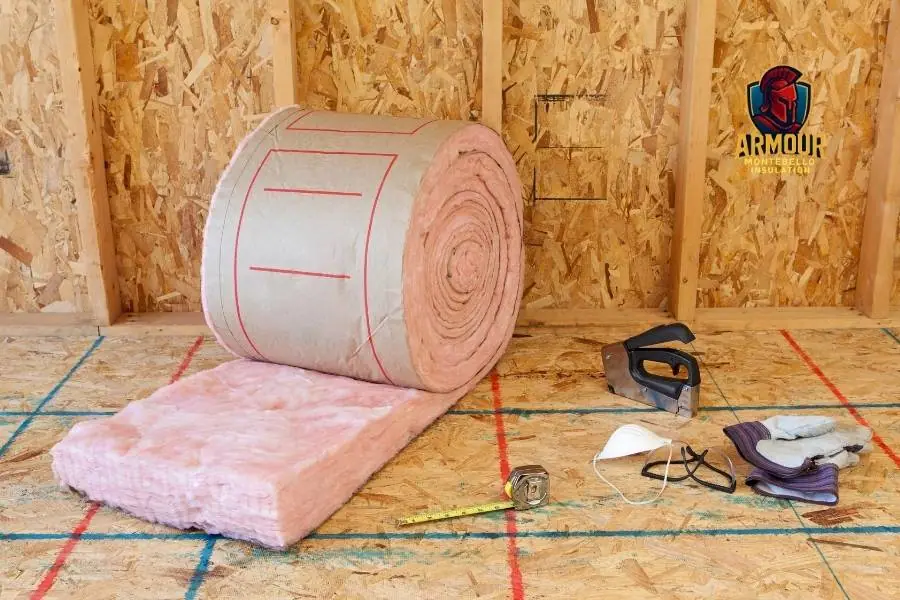
Neighborhoods in Montebello We Serve
Greenwood / Via Campo Corridor
One of Montebello’s oldest established residential zones, homes here were predominantly built between 1945 and 1965. Original concrete perimeter foundations with minimal ground cover are common. Moisture infiltration from Greenwood neighborhood’s clay-heavy soil profiles is a frequent complaint, and full encapsulation with dehumidification is regularly recommended for properties in this area.
Montebello Hills Fringe (Near Garfield Avenue and Olympic Boulevard)
Properties adjacent to the Montebello Hills experience variable crawl space heights due to sloped terrain. These homes often require custom vapor barrier cuts and additional drainage solutions. Post-1987 Whittier Narrows earthquake foundation micro-cracking is more prevalent here than in flatter parts of the city.
Medina Street and Mednik Avenue Neighborhoods
Mid-century tract homes built throughout the 1950s and 1960s dominate these areas. Galvanized plumbing beneath floors contributes to elevated crawl space humidity. Blow-in insulation replacement combined with encapsulation is a common service combination here. Learn about our blow-in insulation services
Whittier Boulevard Commercial Transition Zone
Properties near the commercial corridor include older duplexes and mixed-use buildings with partial crawl spaces and slab transitions that present unique encapsulation challenges requiring custom installation approaches.
Crawl Space Maintenance Tips for Montebello Homeowners
After encapsulation, regular maintenance ensures your crawl space remains protected through Montebello’s seasonal variations. Follow these location-specific tips:
- Annual inspection every October: Before Montebello’s rainy season begins (typically November), inspect the vapor barrier for tears, punctures, or displaced seams. Even minor damage can allow significant moisture infiltration during a wet El Niño winter.
- Monitor dehumidifier drainage monthly: If your encapsulation includes a dehumidifier, check the condensate drain line monthly during May through September when marine layer humidity is highest in the San Gabriel Valley.
- Maintain exterior grading: Ensure soil slopes away from the foundation at a minimum of 6 inches over 10 feet. Montebello’s expansive clay soils can shift over time, creating negative grades that direct runoff toward the foundation.
- Check crawl space vents or sealed ports quarterly: Confirm that sealed vents remain intact and that no new gaps have opened along the foundation perimeter — particularly after minor seismic activity, which is common in the greater Los Angeles area.
- Manage landscape irrigation: Overwatering of lawns and ornamental plantings along foundation perimeters is a leading cause of crawl space moisture re-entry in Montebello. Maintain at least 18 inches of dry soil buffer along the foundation.
- Inspect for rodent re-entry annually: Given the proximity of the Montebello Hills open space to many residential neighborhoods, rodent pressure is ongoing. Check sealed penetration points for signs of gnawing or displacement each fall.
- Schedule professional re-inspection every 3–5 years to assess vapor barrier condition, insulation performance, and overall system integrity. Contact us for maintenance inspections
Why Choose Armour Montebello Insulation
Armour Montebello Insulation is a locally rooted company serving Montebello and the surrounding San Gabriel Valley communities. Our technicians are trained and experienced specifically in the building types, soil conditions, and climate factors that affect Montebello homes — from mid-century raised-foundation properties near Via Campo to hillside homes adjacent to the Montebello Hills open space.
We offer a comprehensive range of related services that complement crawl space encapsulation, including attic insulation, spray foam insulation, blow-in insulation, and insulation removal and replacement, allowing us to address your home’s complete thermal and moisture envelope in one coordinated scope of work.
Read moreShow less
Our approach is always transparent: we provide written, itemized estimates before any work begins, photograph conditions before and after, and walk homeowners through findings in plain language. We use premium materials rated for California’s climate zone requirements and maintain strict installation standards on every project.
When you call (323) 741-5848, you speak directly with knowledgeable staff who understand Montebello’s specific challenges — not a call center. We prioritize honest assessments and long-term solutions over unnecessary upsells.
FAQ
Frequently Asked Questions: Crawl Space Encapsulation Cost in Montebello
How much does crawl space encapsulation cost for a typical Montebello home?
For a standard Montebello single-family home with a crawl space of 1,000 to 1,500 square feet, full encapsulation typically costs between $3,500 and $7,000. Homes with moisture damage, mold, or limited access clearance — common in the city’s 1950s housing stock — may fall in the $7,000 to $12,000 range when remediation and spray foam insulation are included. Basic vapor barrier installation alone starts around $1,200.
How long does the encapsulation process take in Montebello?
Most standard encapsulation projects in Montebello are completed in 2 to 3 days. Larger crawl spaces, extensive mold remediation, or complex access situations may extend the timeline to 4 to 5 days. We provide a project timeline estimate during the initial inspection.
Does crawl space encapsulation help with Montebello’s June Gloom humidity?
Yes. Montebello’s marine layer seasons — May Gray and June Gloom — introduce persistent high humidity that enters through crawl space vents and penetrations. Full encapsulation with a dehumidifier or conditioned air system maintains crawl space humidity below 60 percent year-round, regardless of exterior conditions.
Will encapsulation help with energy bills in Montebello?
Absolutely. By eliminating the thermal exchange between the unconditioned crawl space and living areas above, encapsulation reduces HVAC load. Montebello homeowners typically report annual energy savings of $400 to $900, depending on home size, current insulation condition, and utility rates through Southern California Edison.
Is a permit required for crawl space encapsulation in Montebello?
In most cases, a standard vapor barrier and insulation encapsulation does not require a building permit from the City of Montebello. However, if the scope includes significant mechanical changes — such as extending HVAC ductwork into the crawl space or installing a sump pump — a permit may be required. We advise clients on permit requirements as part of our initial proposal process.
How do Montebello’s clay soils affect encapsulation recommendations?
Montebello’s Montebello loam and Hanford sandy loam soils have moderate to high moisture retention and shrink-swell characteristics. We recommend 20-mil reinforced vapor barriers rather than the standard 12-mil for homes where soil moisture readings exceed 15 percent by weight, which is common in properties with heavy landscape irrigation or those in lower-elevation areas of the city.
Can I combine crawl space encapsulation with attic insulation work?
Yes, and we often recommend addressing both simultaneously for maximum energy efficiency. Combining attic insulation with crawl space encapsulation creates a complete thermal envelope for your home and can reduce overall project cost compared to scheduling the work separately.
What happens to existing insulation during encapsulation?
Existing insulation is assessed during the initial inspection. Wet, moldy, pest-contaminated, or severely deteriorated insulation must be removed before encapsulation proceeds. Our insulation removal and insulation replacement services handle this preparation phase as an integrated part of the encapsulation project.
Get Your Crawl Space Encapsulation Estimate in Montebello Today
Protecting your Montebello home from moisture, pests, and energy loss starts with a professional crawl space assessment. Whether your home was built during the post-war boom of the 1950s or is a more recent construction affected by the area’s clay soils and marine layer humidity, Armour Montebello Insulation has the local expertise to design the right encapsulation solution for your specific property.
Don’t let crawl space moisture silently damage your floors, framing, and indoor air quality. Contact our Montebello team today for a detailed, no-obligation estimate. We provide written assessments, clear pricing, and honest recommendations — no pressure, no surprises.
Call us now at (323) 741-5848 to schedule your inspection. Our team serves Montebello and surrounding San Gabriel Valley communities and is ready to help you take the first step toward a drier, healthier, and more energy-efficient home.
Get in touch
Find insulation help near you
Request a free estimate online or give us a call — our team will follow up quickly.
- Call us(323) 741-5848
- Visit1125 S Maple Ave, Montebello, CA 90640
- HoursMon-Sun 07:00-19:00