
Batt Insulation in Montebello, CA
Energy-Saving Batt Insulation for Montebello, CA Homes — Licensed & Insured
Expert batt insulation in Montebello, CA. Armour Montebello Insulation installs R-38 attic & wall batts for Title 24 compliance. Free estimates — call (323) 741-5848.
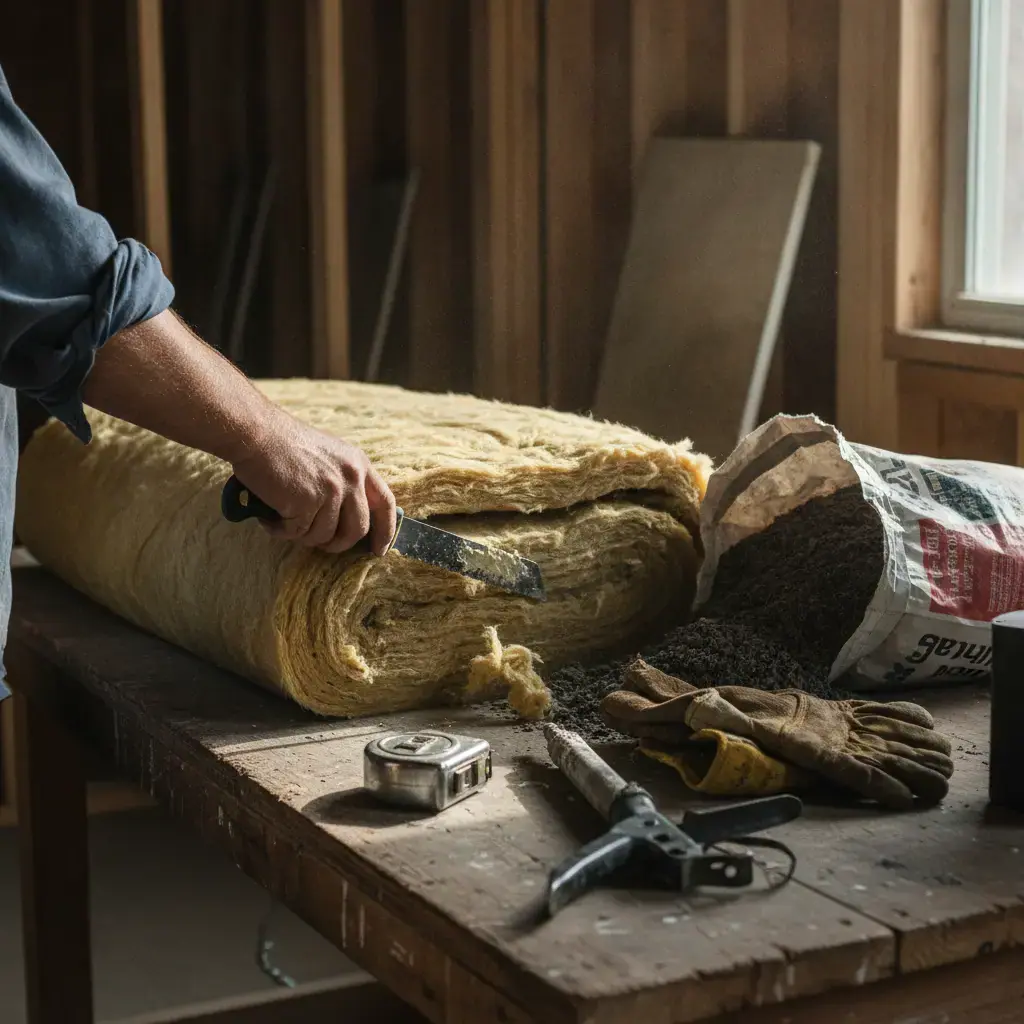
Batt insulation is one of the most widely used and cost-effective methods for insulating residential and commercial buildings. Pre-cut into standard widths and lengths, batts are manufactured from fiberglass, mineral wool, or cotton fibers and are designed to fit snugly between wall studs, floor joists, and ceiling rafters to slow heat transfer and improve energy efficiency.
In Montebello, CA, where summer temperatures routinely climb above 95°F and the surrounding San Gabriel Valley basin amplifies heat absorption, proper batt insulation plays a critical role in keeping homes comfortable and utility bills manageable. Many of Montebello’s residential neighborhoods feature wood-frame construction built between the 1940s and 1970s — structures that often have aging, compressed, or missing insulation that no longer meets modern energy standards.
Read moreShow less
At Armour Montebello Insulation, our team brings deep familiarity with the building stock, climate conditions, and code requirements specific to Montebello. Whether you are retrofitting an older craftsman bungalow in the Vail neighborhood or insulating a new build near the Montebello Town Center corridor, we deliver precise, professional batt insulation installation tailored to your property. Call us today at (323) 741-5848.
Understanding Batt Insulation
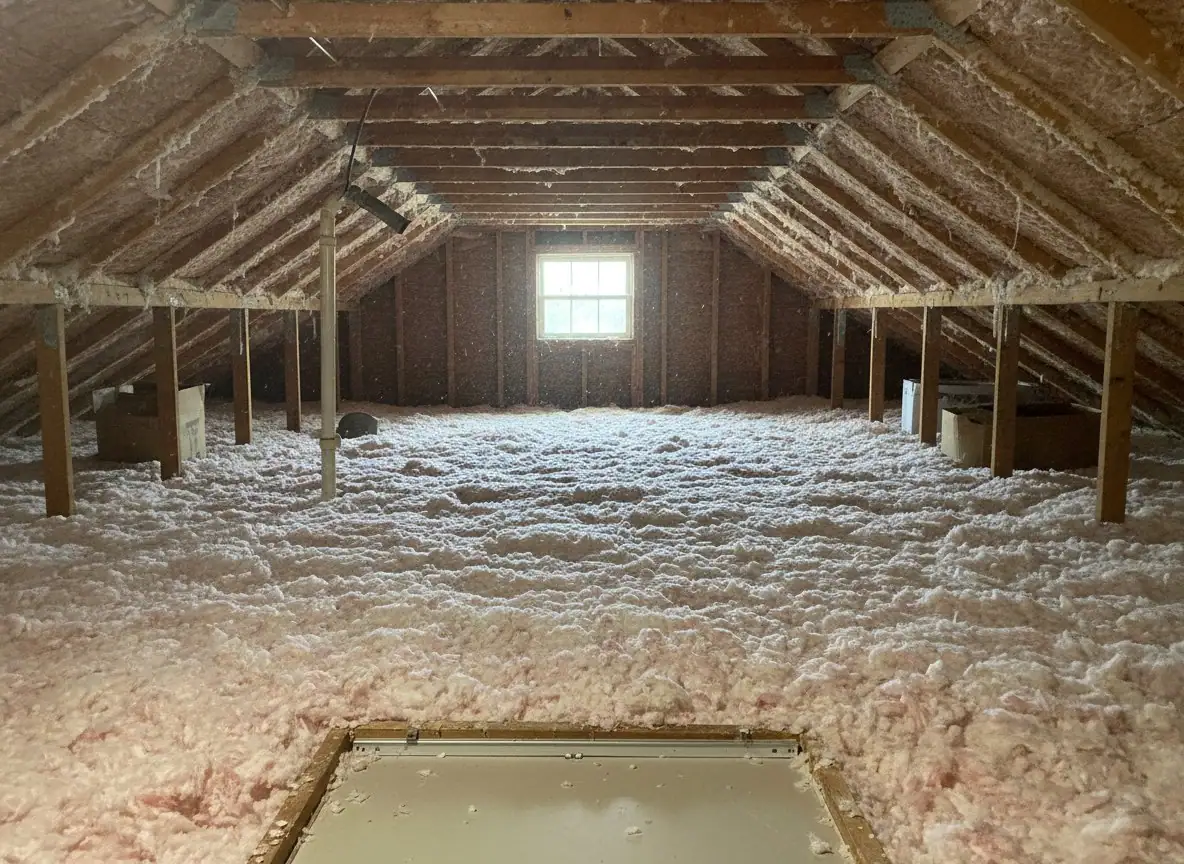
Batt insulation — sometimes called blanket insulation — consists of flexible, pre-fabricated panels of fibrous material engineered to resist conductive heat flow. The thermal performance of any insulation material is measured by its R-value: the higher the R-value, the greater the resistance to heat movement. Standard 3.5-inch fiberglass batts installed in a 2×4 wall cavity deliver approximately R-11 to R-15, while thicker 5.5-inch batts used in 2×6 framing achieve R-19 to R-21. Mineral wool (rock wool) batts offer slightly higher R-values per inch and add the benefit of fire resistance and improved soundproofing — qualities that matter in Montebello’s denser residential blocks where homes sit close together.
Read moreShow less
The history of batt insulation dates to the mid-20th century. Owens Corning introduced mass-produced fiberglass insulation in the 1930s, and by the postwar construction boom of the late 1940s through the 1960s, batts became the standard material for new homes across Southern California. Montebello’s residential development accelerated during exactly this era, as the city transitioned from agricultural land to suburban housing tracts. Thousands of single-family homes constructed during this period received the fiberglass batts that were standard at the time — insulation that is now 60 to 80 years old and well past its effective service life.
Today, batt insulation is available in several materials:
- Fiberglass batts — the most common choice, lightweight, non-combustible, and cost-effective for standard 2×4 and 2×6 framing.
- Mineral wool (rock wool) batts — denser, more moisture-resistant, with superior fire and sound ratings; ideal for Montebello homes near the I-60 freeway corridor where traffic noise is a secondary concern.
- Cotton (denim) batts — made from recycled fibers, an eco-friendly alternative well-suited to homeowners seeking sustainable building practices.
Batt insulation is used in walls, attic floors, cathedral ceilings, floors over unconditioned crawl spaces, and basement ceilings. It works most effectively when installed without gaps, compression, or voids — conditions that our Montebello installation process is specifically designed to achieve.
For properties where batt insulation alone is insufficient, batt installation is frequently combined with spray foam insulation to seal air leaks before batts are placed, creating a comprehensive thermal and air barrier system.
Why Batt Insulation Is Needed in Montebello, CA
Extreme Heat and the Urban Heat Island Effect
Montebello experiences a pronounced urban heat island effect. The city’s significant commercial and industrial land use along Washington Boulevard and Garfield Avenue — including warehousing, light manufacturing, and large parking lots — absorbs and re-radiates solar energy, pushing ambient nighttime temperatures 4°F to 8°F higher than surrounding rural areas. During the September 2020 Southern California heat event, when downtown Los Angeles recorded 111°F, communities in the San Gabriel Valley basin including Montebello sustained temperatures above 105°F for multiple consecutive days. Homes without adequate batt insulation in attic spaces experienced interior temperatures exceeding 90°F even with air conditioning running continuously, placing both occupants and HVAC equipment under extreme stress.
Aging Housing Stock in Montebello
The majority of Montebello’s residential neighborhoods were developed between 1945 and 1975. Streets such as those in the Vail Field area, the Potrero Heights district, and along Garfield Avenue north of Olympic Boulevard contain thousands of homes built with 2×4 framing and original fiberglass batts rated at R-11 — less than one-third of the R-38 currently required in attics. After 50 to 70 years, these batts have compressed under their own weight, settled due to seismic activity, and absorbed moisture from years of condensation cycles, reducing their effective R-value to as low as R-7 or R-8.
Seismic Activity and Insulation Displacement
Montebello lies within 10 miles of the Puente Hills Fault, a thrust fault that the USGS has identified as one of the most hazardous in the greater Los Angeles metropolitan area. The 1987 Whittier Narrows earthquake (magnitude 5.9), which epicentered approximately 4 miles from Montebello, caused widespread structural shifting in the city’s older wood-frame homes. This seismic movement displaced batt insulation from wall cavities and attic joist spaces, creating thermal bypasses that remain unaddressed in many properties to this day.
Moisture Intrusion from Santa Ana Wind Events
Annual Santa Ana wind events — particularly those occurring between October and February — drive low-humidity, high-velocity air through envelope gaps and penetrations in older Montebello homes. This wind-driven air infiltration carries dust and particulates into wall cavities, coating existing fiberglass batts and reducing their thermal performance. It also contributes to moisture cycling as temperature differentials cause condensation within cavities. Damaged or moisture-laden batts can no longer perform their rated R-value and must be assessed and replaced.
Rising Energy Costs
Southern California Edison, which serves Montebello residents, has implemented multiple rate increases since 2019. Properly installed batt insulation at current Title 24 specifications typically reduces heating and cooling loads by 20% to 40%, translating to measurable monthly savings on electricity bills that continue to climb year over year.
Free, no-obligation estimates
Talk to Armour Montebello Insulation
Tell us what you need and we’ll take it from there.
Signs You Need Batt Insulation in Montebello
Energy and Comfort Indicators
- Monthly Southern California Edison bills exceeding $180 to $220 during summer months for an average 1,400-square-foot home
- Rooms that feel noticeably hotter or cooler than the thermostat setting, particularly bedrooms on the top floor or rooms adjacent to exterior walls
- HVAC system running nearly continuously during summer afternoons despite set temperatures
- Uneven temperatures between floors or between rooms on the same floor
Physical and Visual Symptoms
- Visible gaps, voids, or fallen batts visible through attic access hatches
- Discolored, matted, or compressed insulation in areas where attic insulation is visible
- Frost or condensation appearing on interior wall surfaces during cooler winter mornings
- Dust staining patterns along baseboards or ceiling edges, indicating air movement through wall cavities
Age-Based Urgency Indicators
- Home was built before 1980 and insulation has never been inspected or replaced
- Recent purchase of a Montebello property with unknown renovation history
- Any structural repair or remodel that opened wall cavities without subsequent insulation inspection
If you recognize two or more of these signs in your Montebello home, a professional insulation assessment is warranted. Contact Armour Montebello Insulation at (323) 741-5848 to schedule an inspection.
Our process
Our Batt Insulation Installation Process in Montebello
- 01
Initial Assessment and Energy Audit (1–2 Hours)
Our process begins with a thorough on-site inspection of your Montebello property. We assess existing insulation levels, inspect framing cavities for moisture damage or pest intrusion, check for air sealing deficiencies, and evaluate attic ventilation. We docu
- 02
Old Insulation Removal (If Required) (2–4 Hours)
Where existing batts are damaged, compressed beyond 30% of original thickness, contaminated with moisture or rodent activity, or fall below functional R-value thresholds, removal is recommended before new installation. Our insulation removal service ensures ca
- 03
Air Sealing and Preparation (1–3 Hours)
Before placing any batt material, we seal penetrations, gaps, and bypasses using spray foam or caulk. This step is particularly important in Montebello homes where decades of settling and seismic movement have created openings around pipe penetrations, electri
- 04
Material Selection and Cutting (30–60 Minutes)
We select the appropriate batt material, thickness, and facing based on cavity dimensions, moisture exposure, and performance targets. Standard Montebello wall retrofits typically use unfaced R-15 fiberglass batts in 2×4 cavities. Attic floor installations use
- 05
Installation (2–6 Hours Depending on Scope)
Batts are placed into cavities with full friction fit — no stapling to compress facing edges, no voids around obstructions, and no folding or doubling of material. Electrical boxes and plumbing pipes are worked around carefully, with split batts used to mainta
- 06
Quality Verification (30–60 Minutes)
After installation, we conduct a visual inspection of all treated areas and, where applicable, a follow-up infrared scan to confirm uniform coverage with no thermal bypasses remaining.
- 07
Final Documentation and Cleanup
We provide a written installation summary including R-values achieved, materials used, and areas treated — documentation useful for Title 24 compliance, home resale, and utility rebate applications through Southern California Edison’s energy efficiency program
Batt Insulation Methods and Approaches
Standard Friction-Fit Batt Installation
The most common approach for open wall cavities and attic floor joist bays. Batts are sized to be approximately 1 inch wider than the cavity, allowing the material to grip framing members by friction alone without compression. This method is used in the majority of Montebello retrofit projects in single-family homes built between 1945 and 1980.
Faced Batt Installation with Vapor Retarder
In locations where moisture management is critical — including crawl space ceiling applications and below-grade areas in Montebello’s older hillside homes in Potrero Heights — kraft-faced or foil-faced batts provide an integrated Class II vapor retarder. This is combined with crawl space insulation strategies for comprehensive moisture control.
Cut-and-Cobble Method for Irregular Spaces
Montebello’s older craftsman and Spanish Colonial Revival homes frequently feature non-standard framing dimensions and irregular cavity shapes resulting from decades of additions and modifications. The cut-and-cobble technique involves precision-cutting batts to fit irregular geometries without gaps or compression, maintaining consistent R-value across the entire assembly.
Two-Layer Attic Batt Installation
For attic floors where R-38 or higher is required but single-layer batts cannot achieve target values, a two-layer system is used. The first layer of R-19 batts fills joist bays; a second perpendicular layer of R-19 or R-21 batts is laid over the top, covering joist bridging and achieving R-38 to R-40 combined — meeting current Montebello Title 24 requirements. This is often the most cost-effective path to compliance for pre-1980 homes.
Hybrid Spray Foam and Batt Assembly
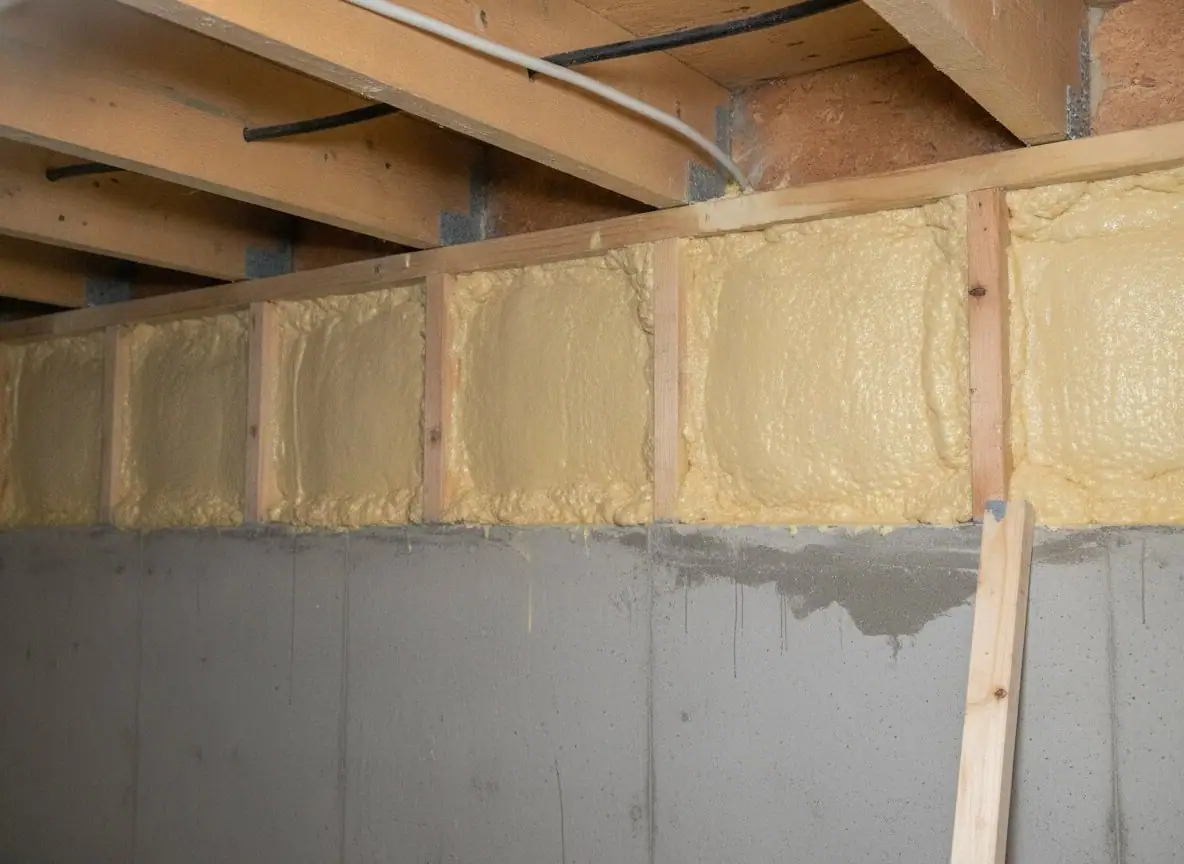
For maximum performance in wall cavities, a thin layer of spray foam insulation (1 to 2 inches) is applied first to seal all air pathways, followed by friction-fit batts to fill the remaining cavity depth. This hybrid assembly achieves both superior air sealing and high R-values, and is increasingly specified for Montebello homes undergoing comprehensive energy retrofits.
Batt Insulation Cost in Montebello, CA
Understanding batt insulation costs helps Montebello homeowners budget accurately and evaluate competing bids. Below are current typical price ranges for professional installation in the greater Los Angeles area, including Montebello.
Typical Price Ranges
- Wall batt insulation (retrofit): $1.50 to $3.00 per square foot installed, or $1,800 to $4,500 for a typical 1,400 sq. ft. Montebello home
- Attic floor batt insulation: $1.20 to $2.50 per square foot; a 900 sq. ft. attic runs approximately $1,100 to $2,250
- Crawl space batt insulation: $2.00 to $3.50 per square foot given the confined access conditions common in Montebello’s older slab and raised-foundation homes
- Full home batt insulation package (walls, attic, crawl space): $4,500 to $10,000 for a typical 1,200 to 1,600 sq. ft. Montebello property
Read moreShow less
Key Cost Factors
- Existing insulation removal: Add $0.75 to $1.50 per square foot if old material must be extracted before new batts can be installed
- Material type: Mineral wool batts cost 20% to 40% more than standard fiberglass but offer superior performance and longevity
- Access difficulty: Attics with low clearance (under 18 inches) or crawl spaces in older Montebello homes with limited entry points increase labor costs
- Air sealing scope: Extensive pre-installation air sealing in older homes adds $300 to $800 to project totals
Montebello-Specific Pricing Notes
Southern California Edison offers rebates of $0.10 to $0.20 per square foot for qualifying insulation upgrades that bring homes to Title 24 standards. Montebello homeowners should inquire about current incentive programs when requesting their estimate. Call (323) 741-5848 for a free, detailed project quote.
Batt Insulation Services Across Montebello Neighborhoods
Vail Field / North Montebello
The residential blocks north of Beverly Boulevard and east of Garfield Avenue contain a dense concentration of post-WWII tract homes built between 1946 and 1958. These 2×4-framed structures originally received R-11 fiberglass batts that are now significantly degraded. North-facing wall cavities in this neighborhood are particularly prone to moisture-related batt deterioration due to limited winter sun exposure.
Potrero Heights
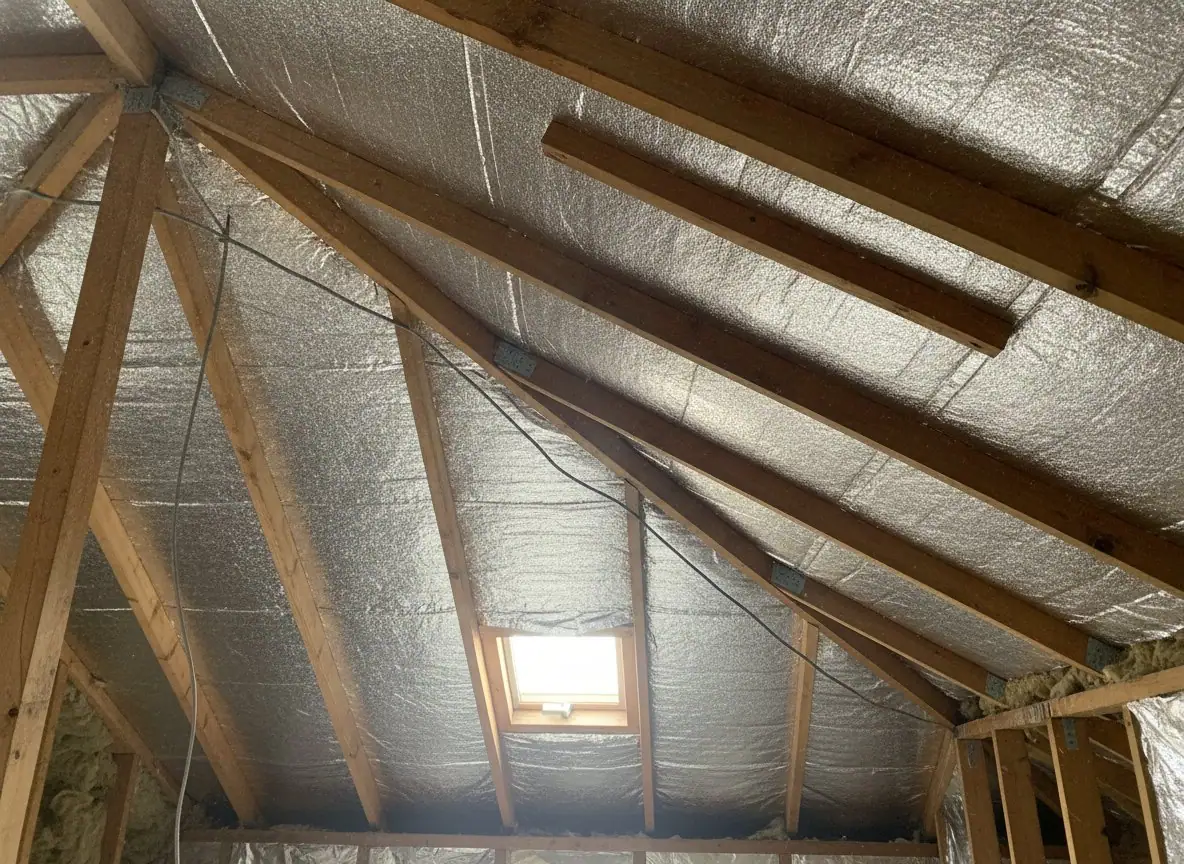
Montebello’s elevated eastern district features hillside homes built between the 1950s and early 1970s, many with complex rooflines and split-level designs that create challenging attic geometries. Cathedral ceiling sections are common here and require specialized batt installation to maintain required ventilation channels while achieving adequate R-values.
Montebello Town Center Area (Central Montebello)
Older Spanish Colonial Revival and craftsman-style homes near Whittier Boulevard and the Town Center date to the 1930s and 1940s. These properties often have plaster-over-lath wall construction and require blow-in insulation or wall batt retrofit strategies adapted to existing finishes.
South Montebello / Washington Boulevard Corridor
Mixed residential properties south of Olympic Boulevard along the Washington Boulevard corridor include both older single-family homes and small multi-family buildings from the 1960s and 1970s, where insulation between units and from exterior walls is frequently absent or severely degraded.
Batt Insulation Maintenance Tips for Montebello Homeowners
- Inspect attic insulation annually — Check every fall before the heating season for signs of compression, moisture staining, or displacement. Montebello’s Santa Ana wind season typically runs October through February.
- Keep attic ventilation clear — Soffit vents along Montebello homes’ overhangs must remain unobstructed by batts. Maintain a 1-inch airflow channel above attic floor batts using vent baffles.
- Address roof leaks immediately — Even minor roof leaks can saturate fiberglass batts, dramatically reducing R-value. After any significant rainfall event, check attic insulation for wet spots.
- Control crawl space moisture — Pair crawl space batt insulation with a crawl space encapsulation vapor barrier to prevent ground moisture from migrating into batt material.
- Seal attic penetrations after any plumbing or electrical work — Contractors working in Montebello homes routinely disturb insulation around recessed lights and pipe penetrations. Inspect after any interior renovation.
- Check for pest activity — Roof rats, which are common in the San Gabriel Valley including Montebello, nest in attic insulation and compromise its thermal performance. Address any pest evidence before reinspecting batt condition.
- Schedule a post-earthquake inspection — Following any seismic event of magnitude 4.0 or greater in the greater Los Angeles area, have wall and attic insulation inspected for displacement.
Why Choose Armour Montebello Insulation?
Armour Montebello Insulation is a locally focused insulation contractor serving Montebello and the surrounding San Gabriel Valley communities. Our team has direct, hands-on familiarity with the housing stock, climate demands, and building code landscape specific to Montebello — knowledge that national franchises and out-of-area contractors simply cannot replicate.
We offer a comprehensive range of insulation services under one roof: batt insulation, spray foam insulation, attic insulation, blow-in insulation, crawl space encapsulation, crawl space insulation, insulation removal, and insulation replacement. This means that whatever we discover during your assessment — whether it’s degraded batts, moisture intrusion, or missing air sealing — we have the tools and expertise to address it completely in a single project engagement.
Read moreShow less
We use materials rated for California’s climate conditions and comply with Title 24 insulation requirements so your project is code-compliant and potentially eligible for Southern California Edison energy efficiency rebates. Every installation is backed by our commitment to quality workmanship and customer satisfaction.
Call us at (323) 741-5848 to schedule your free Montebello insulation assessment today.
FAQ
Frequently Asked Questions About Batt Insulation in Montebello
How much does batt insulation cost in Montebello, CA?
Batt insulation installation in Montebello typically ranges from $1.20 to $3.50 per square foot installed, depending on location within the home, material type, and whether old insulation removal is required. A full-home project for an average Montebello single-family home runs between $2,500 and $8,500. Contact us at (323) 741-5848 for a free itemized estimate specific to your property.
How long does batt insulation installation take in a typical Montebello home?
For attic-only batt installation in a standard 900 to 1,200 square foot attic floor, most Montebello projects are completed in one day. Full-home installations including walls, attic, and crawl space typically require two to three days. Homes with significant prior insulation removal needs may require an additional day.
Do I need a permit to install batt insulation in Montebello?
In most cases, replacing existing insulation in an already-enclosed attic does not require a permit in Montebello. However, insulation work associated with a remodel that opens wall cavities, or new construction, will require permit compliance with California Title 24 Part 6 energy code. We advise clients on permit requirements as part of our initial assessment.
What R-value do I need for my Montebello home?
Under California Title 24 for Climate Zone 3B (which covers Montebello), current requirements are R-38 minimum in attics, R-13 to R-21 in walls depending on framing depth, and R-19 in floors over unconditioned crawl spaces. Many pre-1980 Montebello homes have attic insulation at R-11 or below — a significant shortfall that directly impacts cooling costs and comfort during the valley’s hot summers.
Should I use fiberglass or mineral wool batts in my Montebello home?
Fiberglass batts are the most cost-effective choice for most Montebello applications. Mineral wool batts are recommended for homes near the I-60 freeway corridor where traffic noise reduction is a secondary priority, for areas with elevated moisture risk such as crawl spaces, and for fire-rated wall assemblies in multi-family properties. We help you select the right material for your specific situation.
Can batt insulation help with noise as well as temperature in Montebello?
Yes. Mineral wool batts in particular offer a Sound Transmission Class (STC) improvement of 4 to 8 points in standard wood-frame walls — a meaningful reduction in traffic noise from Garfield Avenue, Washington Boulevard, or the I-60 freeway that affects many Montebello residences. Standard fiberglass batts also provide moderate sound attenuation compared to empty wall cavities.
Is batt insulation effective enough for Montebello’s hot climate, or do I need spray foam?
Properly installed batt insulation at code-required R-values is effective for Montebello’s climate. However, batt insulation addresses conductive heat transfer only. Air infiltration — which accounts for 20% to 40% of total heat gain in older Montebello homes — requires air sealing with caulk or spray foam before batts are installed. Our hybrid approach combines air sealing with batt installation to address both heat transfer mechanisms simultaneously.
How do I know if my existing Montebello home insulation needs to be replaced?
Key indicators include home construction before 1980, visible compression or discoloration of attic insulation, unexplained increases in summer electricity bills, uneven room temperatures, or any known water intrusion events. A professional assessment with infrared imaging provides the most accurate picture. Call (323) 741-5848 to schedule yours.
Get Your Free Batt Insulation Estimate in Montebello Today
If your Montebello home is overheating in summer, running up high energy bills, or simply hasn’t had an insulation inspection since it was built, now is the time to act. Armour Montebello Insulation provides free, no-obligation on-site assessments for homeowners throughout Montebello, from Potrero Heights to Vail Field to the Washington Boulevard corridor.
Our team will assess your current insulation levels, identify gaps and deficiencies, and provide a detailed written estimate with material specifications and projected energy savings — all at no cost to you.
Call us today at (323) 741-5848 to schedule your free assessment. You can also reach us through our contact page for written inquiries. Let Armour Montebello Insulation help you bring your home up to current standards and start saving on energy costs — one properly installed batt at a time.
Get in touch
Find insulation help near you
Request a free estimate online or give us a call — our team will follow up quickly.
- Call us(323) 741-5848
- Visit1125 S Maple Ave, Montebello, CA 90640
- HoursMon-Sun 07:00-19:00