
Blown-in insulation is one of the most effective and efficient methods for insulating homes and commercial buildings throughout Montebello, CA. This technique involves using specialized equipment to blow loose-fill insulation material — typically cellulose or fiberglass — directly into wall cavities, attic floors, and hard-to-reach spaces, creating a seamless thermal and acoustic barrier without the need for extensive demolition.
In Montebello’s unique climate, where summer temperatures regularly push past 95°F in the San Gabriel Valley and cool Pacific breezes shift conditions dramatically overnight, having the right insulation strategy is not optional — it is essential. Older housing stock in neighborhoods like the Montebello Hills and the central residential corridors near Whittier Boulevard often suffer from under-insulated attics and walls that drive up energy costs year-round.
At Armour Montebello Insulation, we are the professional insulation contractor Montebello homeowners trust for expert blown-in insulation installation. Call us today at 323-741-5848 to schedule your free assessment.
Understanding Blown-In Insulation
Blown-in insulation — also referred to as loose-fill insulation — is a method of thermal and acoustic insulation that has been used in American residential and commercial construction since the mid-twentieth century. Unlike batt or roll insulation, which must be cut and fitted into framing cavities, blown-in material is pneumatically conveyed through a flexible hose and deposited as a dense, conforming layer that fills irregular spaces, gaps, and voids completely.
The two most common materials used in blown-in applications are cellulose and fiberglass. Cellulose, made primarily from recycled paper products treated with fire retardants, offers excellent density and resistance to air infiltration. Fiberglass loose-fill, composed of tiny glass fibers, is moisture-resistant and non-combustible, making it suitable for a wide variety of California building conditions.
Read moreShow less
In Southern California broadly, and in Montebello specifically, blown-in insulation gained significant popularity during the post-World War II construction boom of the late 1940s and 1950s. Montebello’s residential landscape was largely shaped during this era, with thousands of single-family homes built rapidly to house returning veterans and the growing Los Angeles metropolitan workforce. Many of these homes were constructed with minimal insulation by today’s standards — or with insulation materials that have since degraded, settled, or become contaminated.
The City of Montebello encompasses approximately 8.3 square miles in Los Angeles County, and the vast majority of its building stock consists of single-family residences, duplexes, and small apartment buildings constructed between 1945 and 1980. This aging housing inventory is particularly well-suited for blown-in insulation retrofits, because the technique can be deployed without removing drywall or disrupting finished interior spaces. Installers drill small access holes, blow in the material, and patch the holes — making the entire process minimally invasive and highly cost-effective for Montebello homeowners who want to upgrade their insulation without a full renovation.
Blown-in insulation also performs well in Montebello’s Mediterranean climate because it provides a high R-value per inch while accommodating the thermal cycling — the repeated expansion and contraction of building materials — that is common in Southern California’s hot, dry summers and mild but variable winters. Learn more about our attic insulation services.
Why Blown-In Insulation Is Needed in Montebello, CA
Climate and Temperature Extremes in the San Gabriel Valley
Montebello sits at the western edge of the San Gabriel Valley, where it is sheltered from direct coastal influence but still subject to significant seasonal temperature variation. The National Weather Service records summer highs regularly reaching 95°F to 103°F, particularly during late July and August heat events. During the historic September 2022 heat wave, parts of the greater Montebello area recorded temperatures exceeding 107°F — a conditions that stressed residential HVAC systems dramatically and exposed just how inadequate many homes’ insulation truly was. Conversely, winter overnight lows can drop into the upper 30s°F, creating heating demands that poorly insulated homes cannot efficiently meet.
This wide diurnal and seasonal temperature range — sometimes a 40°F swing within a single day — means that blown-in insulation, with its superior air-sealing characteristics and high R-value, is critical for maintaining interior comfort and controlling energy costs throughout the year.
Aging Housing Stock and Insulation Degradation
A significant proportion of Montebello’s residential neighborhoods — including the established streets west of the 60 Freeway near Garfield Avenue and the older blocks surrounding Montebello City Hall — consist of homes built between 1945 and 1965. Many of these homes were originally insulated with rock wool batts or early fiberglass products that, after 60 to 75 years, have compressed, settled, or absorbed moisture to the point where their effective R-value may be as low as R-6 to R-9 — far below California’s current Title 24 requirement of R-38 for attics in Climate Zone 9, which covers Montebello.
Blown-in insulation allows homeowners in these established neighborhoods to bring their attics and wall cavities up to current code without demolishing existing finishes. A single blown-in attic upgrade can restore an attic from R-9 to R-38 or greater in a single visit, dramatically reducing the thermal load on interior spaces.
Wildfire Smoke, Air Quality, and Infiltration Concerns
Montebello is located in the South Coast Air Basin, one of the most challenging air quality regions in the United States. During wildfire season — increasingly active from late August through November — residents near the Montebello Hills and along the Telegraph Road corridor face elevated particulate matter infiltration. Proper dense-pack blown-in insulation in wall cavities and attic floors acts as a secondary air barrier, reducing smoke and particulate infiltration by up to 40% compared to poorly sealed homes, according to building science research from Lawrence Berkeley National Laboratory.
Seismic Activity and Settlement
Montebello lies within a seismically active region of Los Angeles County, situated near the Whittier Fault — the same fault system responsible for the October 1, 1987 Whittier Narrows Earthquake, which registered 5.9 on the Richter scale and caused widespread damage to older unreinforced masonry and wood-frame construction in the immediate area. Seismic movement, even minor events at 3.0 to 4.0 magnitude, can cause batt insulation to shift and settle in attic spaces, creating voids and cold spots. Blown-in insulation, by contrast, conforms to and fills gaps even after minor structural settling, maintaining consistent coverage over time. Explore our insulation removal services if old material needs to be cleared first.
Free, no-obligation estimates
Talk to Armour Montebello Insulation
Tell us what you need and we’ll take it from there.
Signs You Need Blown-In Insulation in Montebello
Energy and Comfort Indicators
- Monthly energy bills during July and August exceeding $180–$220 for a typical 1,400 sq ft Montebello home
- Rooms that remain 5°F or more warmer or cooler than the thermostat setting despite normal HVAC operation
- HVAC system running continuously during daytime heat events without maintaining set temperature
- Noticeable drafts near electrical outlets, light switches, or ceiling fixtures
Visual and Physical Symptoms
- Visible insulation in the attic that has settled to a depth of less than 5 inches, indicating significant R-value loss
- Insulation that appears discolored, matted, clumped, or stained with moisture or rodent debris
- Uneven insulation coverage with visible gaps or bare patches on the attic floor
- Cold or hot exterior walls to the touch during temperature extremes
Urgency Indicators
- Discovery of rodent droppings or nesting material in attic insulation — a common issue in Montebello Hills properties
- Presence of moisture stains or mold growth on existing insulation, particularly after winter rainfalls
- Home is more than 40 years old and has never had an insulation assessment or upgrade
Learn about our rodent proofing services to protect your new insulation investment.
Our process
Our Blown-In Insulation Process in Montebello
- 01
Free On-Site Assessment (30–60 Minutes)
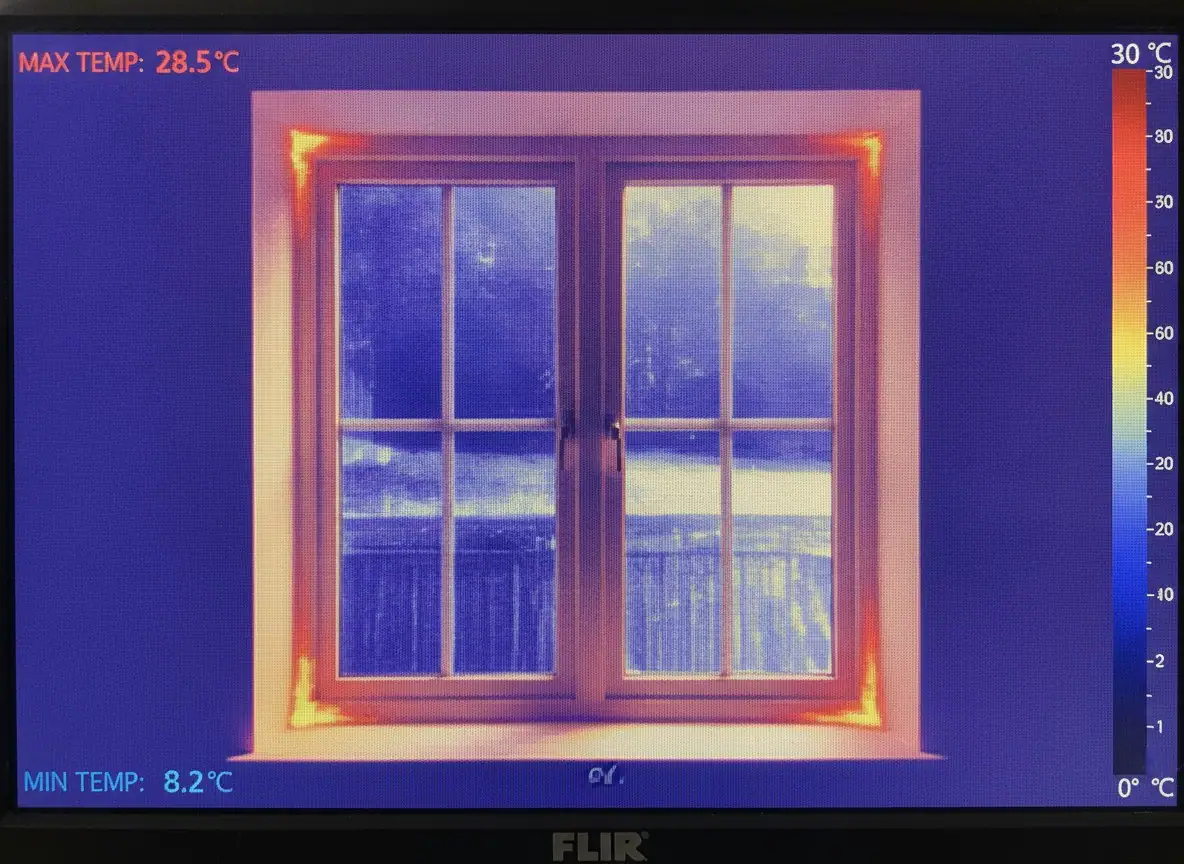
Our technician visits your Montebello property to assess existing insulation depth, condition, and coverage. We use a calibrated depth probe and thermal imaging to identify cold spots, air leaks, and moisture damage. We review your home’s construction era and
- 02
Insulation Removal (If Required) (Half Day to Full Day)
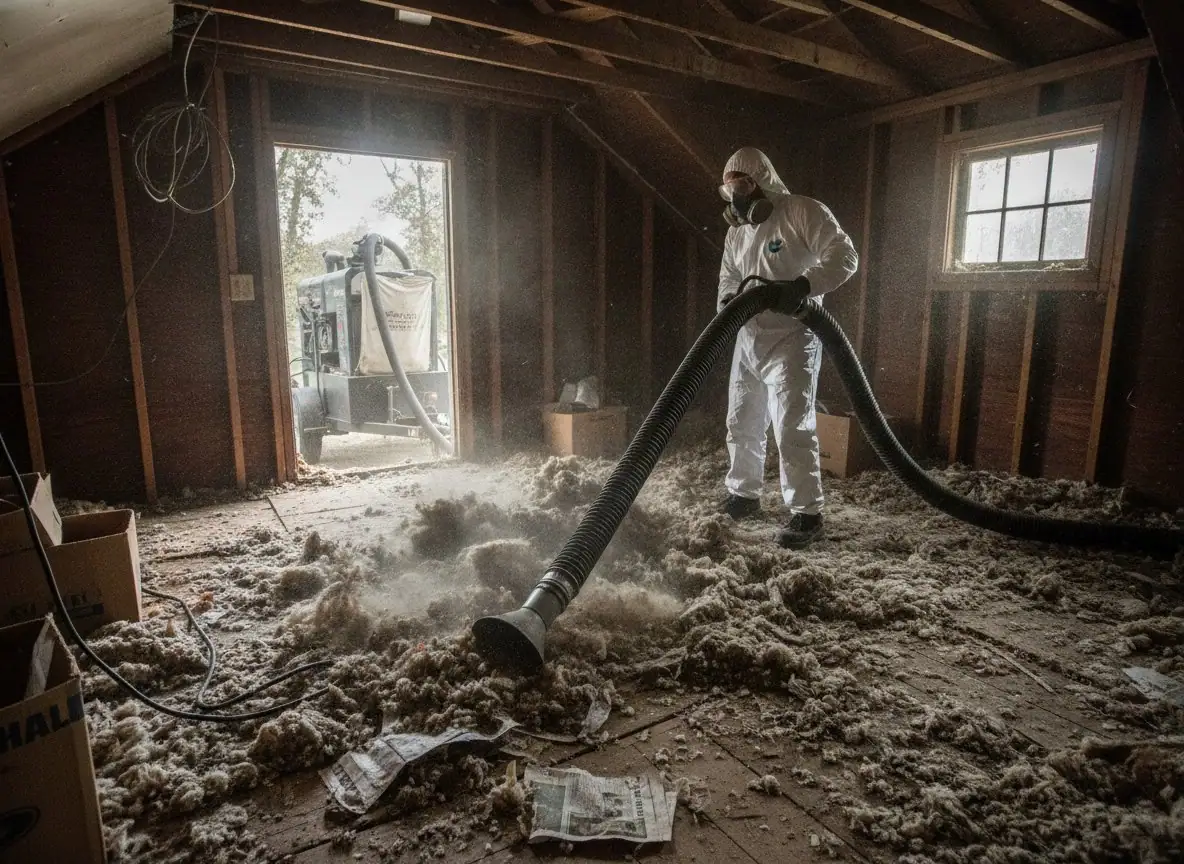
If existing insulation is contaminated, moisture-damaged, or heavily settled, we remove it using commercial vacuum equipment before installation. This is particularly common in Montebello Hills homes where rodent activity has compromised attic insulation. See
- 03
Air Sealing and Preparation (1–2 Hours)
Before any blown-in material is installed, our crew seals penetrations, gaps around pipes, electrical boxes, and top plates using fire-rated caulk and foam. This step is particularly important in Montebello’s older wood-frame homes where decades of settling ha
- 04
Machine Setup and Material Selection (30 Minutes)
We position our industrial blowing machine — typically staged in the driveway or side yard — and select the appropriate material: cellulose for dense-pack wall applications or fiberglass for open attic installs. Material selection is adapted to Montebello’s cl
- 05
Blown-In Installation (2–4 Hours Depending on Square Footage)
Our licensed installer guides the hose through access holes or attic hatches, evenly distributing material to achieve the target R-value — typically R-38 to R-60 for attic applications in Climate Zone 9. We use depth gauges and settle calculations to ensure co
- 06
Quality Control and Depth Verification (30 Minutes)
After installation, we verify coverage depth at multiple points across the attic and document R-value achievement for your records — which is useful for homeowner insurance purposes and California Energy Commission compliance documentation.
- 07
Cleanup and Final Walkthrough (30 Minutes)
We clean all work areas, patch any access holes, and walk you through what was installed, material specs, and any follow-up maintenance recommendations specific to your Montebello home.
Blown-In Insulation Methods and Approaches
Open-Blow Attic Installation
The most common method used in Montebello’s single-family ranch-style homes, open-blow installation deposits loose-fill material evenly across an open attic floor to the required depth. For Montebello’s Climate Zone 9 requirements, we typically target 10–15 inches of settled cellulose or 12–18 inches of fiberglass to achieve R-38 to R-49. This method is fast, cost-effective, and ideal for homes with accessible attics above the garage and main living areas.
Dense-Pack Wall Cavity Installation
For Montebello homes where wall insulation has never been installed or has significantly degraded, dense-pack involves drilling 2-inch access holes in the exterior siding or drywall, inserting a fill tube, and blowing cellulose at high density (3.0–3.5 lbs per cubic foot) to completely fill the cavity without future settling. This method is especially effective in the stucco-clad bungalows common throughout central Montebello.
Stabilized Blown-In Insulation
In attic spaces with significant air movement — such as those with open soffits or ridge vents that create wind-washing effects — stabilized blown-in insulation uses a fine water mist during installation to bind cellulose fibers and prevent displacement. This is recommended for properties in elevated areas of the Montebello Hills where wind exposure is greater.
Hybrid Blown-In and Spray Foam Application
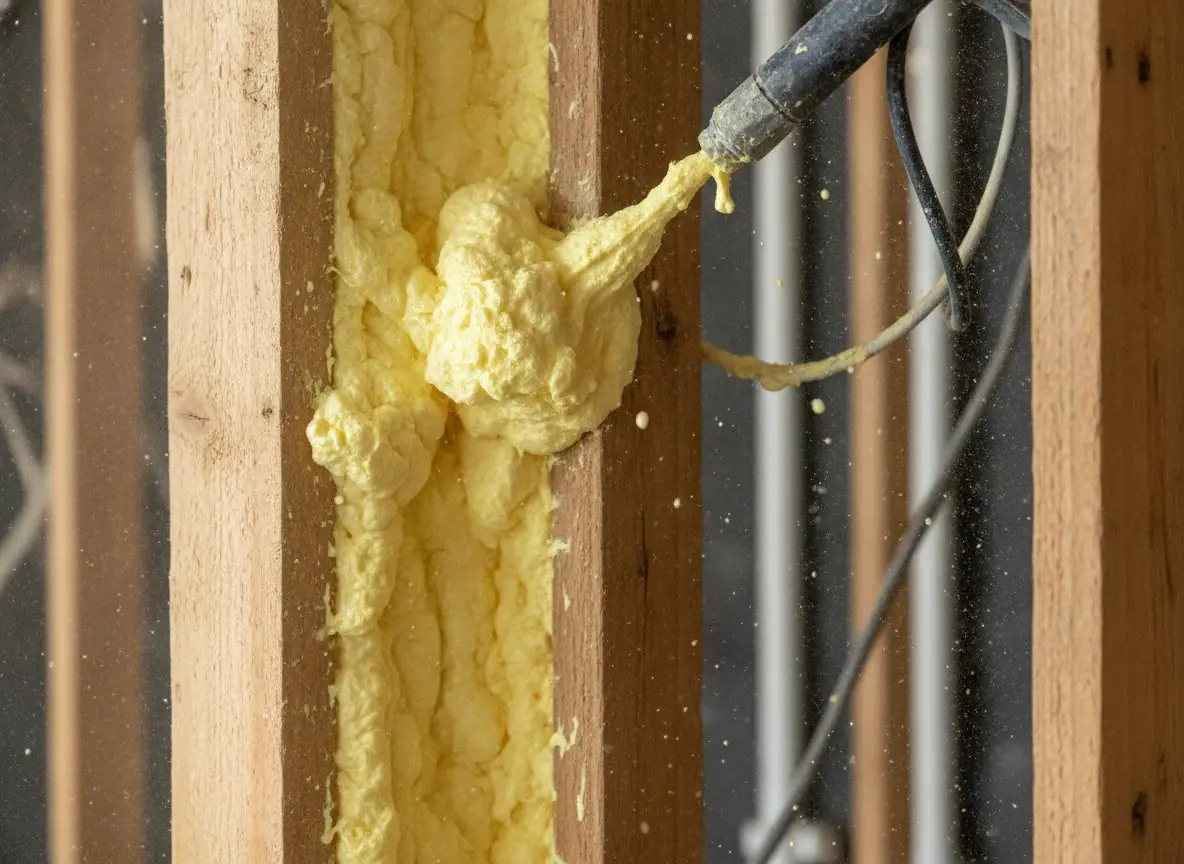
For maximum performance in Montebello homes with significant air sealing challenges, we combine closed-cell spray foam at the attic perimeter and penetrations with blown-in insulation for the bulk of the attic floor. This hybrid approach achieves both excellent air sealing and cost-effective thermal resistance. Learn more about our spray foam insulation services.
Blown-In Insulation Cost in Montebello, CA
Understanding the cost of blown-in insulation in Montebello helps homeowners budget appropriately and recognize value when comparing contractors. Pricing depends on several key variables specific to the Montebello market.
Typical Price Ranges
- Attic blown-in insulation (standard 1,000–1,500 sq ft attic): $1,200 – $2,800
- Dense-pack wall cavity insulation (per linear foot of exterior wall): $2.50 – $5.00 per sq ft of wall area
- Full home attic upgrade (1,500–2,500 sq ft home): $2,500 – $4,500
- Combined insulation removal and new blown-in installation: $3,000 – $6,500 depending on contamination level
Factors That Affect Blown-In Insulation Cost in Montebello
- Existing insulation condition: Homes in older Montebello neighborhoods with rodent-damaged or moisture-contaminated insulation will require removal before new material is installed, adding $500–$1,500 to the total.
- Target R-value: Upgrading to R-49 or R-60 requires more material and increases cost by 15–25% compared to a standard R-38 installation.
- Access difficulty: Homes with low-pitch rooflines — common in Montebello’s mid-century ranch homes — may require additional labor for restricted-access attic work.
- Material selection: Cellulose is generally 10–15% less expensive than fiberglass loose-fill, though both are used based on application needs.
Read moreShow less
Montebello-Specific Pricing Notes
Los Angeles County labor rates are among the highest in California, which influences total project pricing. However, the energy savings achieved by upgrading to Title 24 compliance in Montebello’s Climate Zone 9 typically result in a payback period of 3–6 years for a complete attic blown-in upgrade. California utility companies, including SoCalGas and Southern California Edison, periodically offer rebates for insulation upgrades that can offset $200–$600 of project costs. Call us at 323-741-5848 to get a specific quote for your Montebello property.
Neighborhoods We Serve in Montebello
Montebello Hills
The elevated residential area of Montebello Hills features primarily 1960s and 1970s custom homes with varying construction quality. These properties are more exposed to wind and wildfire smoke infiltration and frequently benefit from stabilized blown-in installation with enhanced air sealing at the attic perimeter.
Central Montebello (Whittier Boulevard Corridor)
The dense residential neighborhoods surrounding Whittier Boulevard consist largely of post-WWII bungalows and ranch homes built between 1945 and 1960. Many of these properties have never received an insulation upgrade and present a high rate of severely depleted or contaminated attic insulation requiring full removal and replacement.
West Montebello / Garfield Avenue Area
Homes west of the 60 Freeway near Garfield Avenue include a mix of 1940s craftsman-influenced construction and 1970s-era multi-family buildings. Dense-pack wall cavity insulation is in particularly high demand in this sub-area due to the prevalence of single-wythe construction with minimal wall insulation.
Montebello Towne Center Area
Residential streets surrounding the Montebello Towne Center include more recently built homes from the 1980s and 1990s that may still fall short of current California energy code and benefit from attic top-up installations to reach R-49 compliance.
Blown-In Insulation Maintenance Tips for Montebello Homeowners
- Inspect attic depth annually: Check insulation depth each fall before the winter heating season. In Montebello’s older homes, settling of 1–2 inches per year is common in the first few years after installation.
- Check for rodent entry points: Montebello Hills properties are particularly susceptible to roof rat and squirrel entry. Inspect eave vents and fascia boards every spring and fall.
- Monitor for moisture after winter rains: Montebello’s El Niño-influenced wet seasons (typically December–March) can introduce moisture through roof penetrations. Check for discoloration or clumping in accessible attic areas after heavy rainfall events.
- Keep attic vents clear: Ensure soffit vents are not blocked by blown-in material using vent baffles — a step our crew performs during installation but which should be visually verified annually.
- Do not store items directly on blown-in insulation: Compressing the insulation reduces R-value. Use attic flooring boards if storage is needed in Montebello attic spaces.
- Re-evaluate R-value every 10–15 years: As California Title 24 requirements evolve and materials settle, a periodic professional assessment ensures your home remains at optimal insulation performance. Don’t forget to assess your crawl space insulation as well.
Why Choose Armour Montebello Insulation
Armour Montebello Insulation is a professional insulation contractor with deep roots in the Montebello community. We understand the specific building stock, climate conditions, and regulatory requirements that define insulation work in this part of Los Angeles County — from the mid-century ranch homes of central Montebello to the hillside custom properties overlooking the San Gabriel Valley.
Our team is trained specifically in California Title 24 compliance and the building science principles that govern effective insulation in Climate Zone 9. We do not apply a one-size-fits-all approach. Every project is assessed individually, with material selection and installation technique tailored to the actual conditions of your specific home or building.
Read moreShow less
We offer comprehensive insulation services beyond blown-in alone, including fiberglass insulation, spray foam insulation, insulation removal, and attic cleaning — giving Montebello homeowners a single trusted contractor for all their insulation needs.
Call 323-741-5848 today to speak directly with our Montebello team. We provide honest assessments, transparent pricing, and quality workmanship on every project.
FAQ
Frequently Asked Questions About Blown-In Insulation in Montebello, CA
How much does blown-in insulation cost in Montebello, CA?
For most Montebello homes, a standard attic blown-in insulation project ranges from $1,200 to $2,800 depending on attic size, existing insulation condition, and target R-value. Larger homes or projects requiring prior insulation removal can range from $3,000 to $6,500. We provide free on-site quotes tailored to your specific property. Call 323-741-5848 to schedule your assessment.
How long does blown-in insulation installation take in a typical Montebello home?
For a standard single-family home in Montebello — typically 1,200 to 1,800 square feet of attic space — the blown-in installation process takes approximately 4 to 6 hours from setup to cleanup. Projects requiring insulation removal first may extend to a full day or two-day process depending on the extent of contamination.
What R-value do I need for my Montebello home’s attic?
Montebello falls within California Climate Zone 9 under the Title 24 Energy Code. The minimum recommended R-value for attic insulation in Climate Zone 9 is R-38, though R-49 is increasingly recommended for homes seeking to maximize energy efficiency. Many homes in Montebello’s older neighborhoods currently have R-values as low as R-6 to R-9, making upgrades both code-compliant and financially beneficial.
Is blown-in insulation better than batts for Montebello homes?
For most Montebello retrofits — where insulation needs to be added to an existing home without demolishing finished walls or ceilings — blown-in insulation is superior. It fills irregular cavities and gaps completely, accommodates Montebello’s seismically active environment by resisting displacement after minor tremors, and can be installed without removing existing drywall or plaster finishes in older homes.
Can blown-in insulation help with air quality in Montebello during wildfire season?
Yes. Properly installed dense-pack blown-in insulation in wall cavities and a well-sealed attic floor can meaningfully reduce the infiltration of smoke and fine particulate matter during Southern California wildfire events. Montebello’s proximity to the Puente Hills and the broader Angeles National Forest area makes this a relevant consideration for many local homeowners, particularly those in the Montebello Hills neighborhoods.
How does the Whittier Fault affect insulation in Montebello homes?
The Whittier Fault runs through the eastern edge of the greater Montebello area, and seismic events — including the 1987 Whittier Narrows Earthquake — can cause batt insulation to shift and settle, creating gaps and reducing R-value. Blown-in insulation is more resistant to seismic displacement than batt products because it fills cavities completely rather than relying on a cut-and-fit installation that can be disrupted by structural movement.
Do I need to remove old insulation before adding blown-in insulation?
Not always. If existing insulation is dry, undamaged, and free from rodent contamination, new blown-in material can be added directly on top to increase depth and R-value. However, if old insulation in your Montebello home shows signs of moisture damage, pest contamination, or toxic material (such as vermiculite containing asbestos, found in some pre-1980 homes), removal is required before new material is installed. Our assessment process determines this before any work begins.
Does Armour Montebello Insulation serve all parts of Montebello?
Yes. We serve all residential and commercial addresses throughout Montebello, CA — including the Montebello Hills, central Montebello neighborhoods near Whittier Boulevard, the Garfield Avenue corridor, and properties near the Montebello Towne Center. Call 323-741-5848 to confirm service availability at your address and schedule a free assessment.
Get Your Free Blown-In Insulation Quote in Montebello Today
If your Montebello home is more than 20 years old, if your energy bills have climbed during recent San Gabriel Valley heat events, or if you have never had a professional insulation assessment, now is the time to act. Armour Montebello Insulation provides honest, expert blown-in insulation services tailored specifically to the homes, climate, and conditions of Montebello, CA.
Do not wait until the next summer heat wave or winter rain season to discover your insulation is failing. Our team is ready to assess your property, recommend the right solution, and complete professional installation that meets California Title 24 requirements for Climate Zone 9.
Call us now at 323-741-5848 to schedule your free on-site assessment. Ask about current availability for Montebello-area homes and any applicable utility rebate programs that may help offset your project cost. Contact Armour Montebello Insulation online to request your free quote.
Get in touch
Find insulation help near you
Request a free estimate online or give us a call — our team will follow up quickly.
- Call us(323) 741-5848
- Visit1125 S Maple Ave, Montebello, CA 90640
- HoursMon-Sun 07:00-19:00