
Mineral Wool Insulation in Montebello, CA
Energy-Saving Mineral Wool Insulation for Montebello, CA Homes — Licensed & Insured
Need mineral wool insulation in Montebello, CA? Armour Montebello Insulation offers expert installation for homes & businesses. Call (323) 741-5848 for a free estimate.
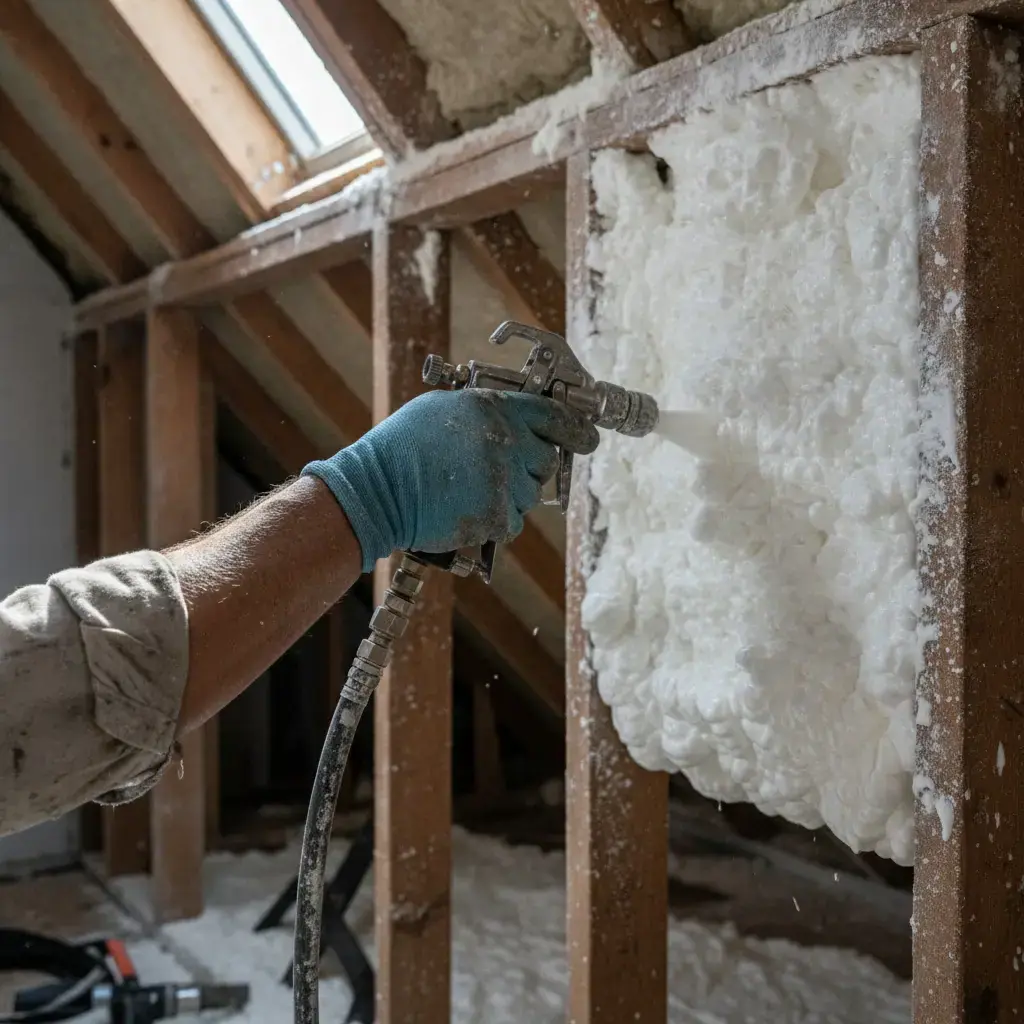
Mineral wool insulation — also known as rock wool or slag wool — is a high-performance, fire-resistant insulation material made from natural volcanic rock and industrial slag, spun into dense fibrous batts or boards. Unlike fiberglass, mineral wool does not melt or support combustion, making it one of the safest and most durable insulation choices available for residential and commercial buildings alike.
In Montebello, CA, where summer temperatures regularly climb past 95°F and the region sits within the seismically active Los Angeles Basin, mineral wool’s combination of thermal resistance, sound dampening, and structural resilience makes it an especially smart investment. Homes and businesses along Garfield Avenue and the older residential corridors near Montebello Hills face unique climate and construction challenges that demand insulation built to last.
Read moreShow less
Armour Montebello Insulation specializes in professional mineral wool insulation installation throughout Montebello. Our team understands the local building stock, the Southern California climate, and the specific code requirements that apply to properties in this community. Call us today at (323) 741-5848 to schedule your free assessment.
Understanding Mineral Wool Insulation
Mineral wool insulation has roots stretching back to the late 19th century, when Hawaiian workers observed natural rock fibers forming as lava cooled in the wind — a phenomenon called Pele’s hair. Industrial manufacturers quickly replicated this process by melting basalt rock or blast-furnace slag and spinning the molten material into fine fibers. By the mid-20th century, mineral wool had become a staple material in construction across North America and Europe, valued for its superior fire performance and acoustic properties.
Today, mineral wool is produced in several forms, including batts, boards, and loose-fill. Batts are the most common residential application, fitting snugly between wall studs and ceiling joists. Rigid mineral wool boards are used in continuous insulation applications on exterior walls and commercial roofing systems. Loose-fill mineral wool can be blown into attic cavities or wall voids for retrofit situations.
Read moreShow less
From a performance standpoint, mineral wool delivers an R-value of approximately R-3.0 to R-3.3 per inch, comparable to fiberglass but with several notable advantages. Mineral wool is naturally hydrophobic, meaning it repels water rather than absorbing it — a critical feature in areas that experience occasional heavy rainfall or coastal moisture migration. It is also non-combustible, rated to withstand temperatures exceeding 1,800°F, and it provides superior sound transmission class (STC) ratings, reducing airborne noise by up to 10 decibels compared to standard fiberglass batts.
In Montebello’s aging housing stock — much of it built between the 1940s and 1970s — mineral wool fits naturally into stud cavities sized for older framing conventions. Its semi-rigid structure allows it to hold its shape without sagging over time, which is a common failure mode for fiberglass in older wall systems. For multi-family buildings, commercial strip centers along Whittier Boulevard, and light industrial properties in the Montebello Business Park, mineral wool’s combined thermal and acoustic performance makes it the insulation of choice for owners who want long-term results without frequent replacement.
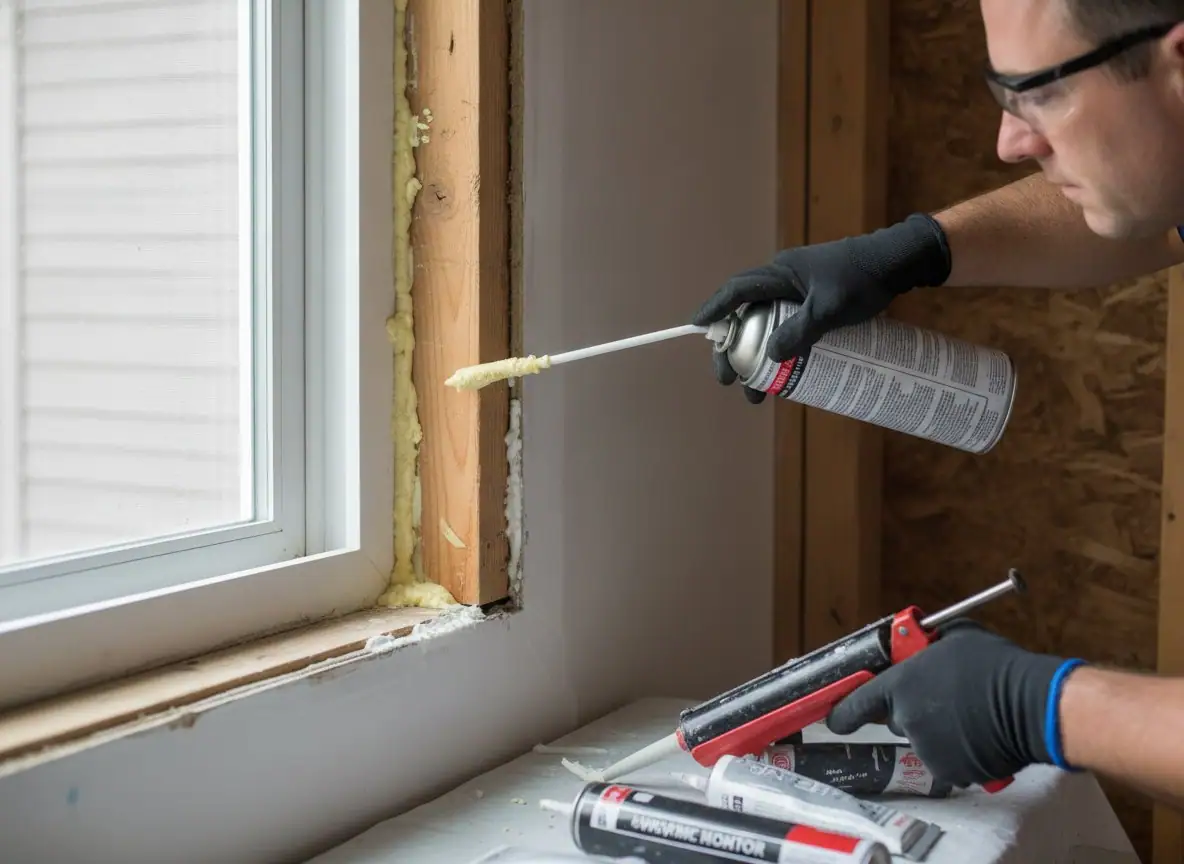
Mineral wool also contributes to LEED certification points and meets California’s Title 24 Energy Code requirements, which have grown increasingly stringent in recent building cycles. Learn how spray foam insulation compares for specific applications where an air barrier is the primary concern.
Why Mineral Wool Insulation Is Needed in Montebello, CA
Montebello occupies a distinctive position within the San Gabriel Valley foothills, bounded to the south by the Rio Hondo channel and to the north by the Montebello Hills. This geography creates a localized climate zone that blends inland heat with periodic marine layer intrusions from the Pacific, producing wide diurnal temperature swings — sometimes exceeding 30°F between overnight lows and afternoon highs in July and August. That thermal cycling stresses insulation materials repeatedly every single day, accelerating degradation in low-density fiberglass and making the density and dimensional stability of mineral wool a meaningful practical advantage.
The Southern California basin is also classified as a Hot-Dry climate zone (ASHRAE Zone 3B), meaning that cooling loads dominate energy costs for most of the year. A poorly insulated attic in Montebello can reach 150°F on a July afternoon — temperatures recorded at local monitoring stations during heat events like the September 2020 extreme heat wave, when the broader Los Angeles area saw multi-day temperatures exceeding 110°F at some inland locations. Under these conditions, inadequate attic insulation forces HVAC systems to work 30–40% harder, dramatically increasing electricity bills and equipment wear.
Read moreShow less
Seismic activity is another factor that distinguishes Montebello from cooler Northern California markets. Montebello sits approximately 8 miles northeast of the Whittier Narrows fault, which produced the October 1, 1987 Whittier Narrows earthquake — a 5.9-magnitude event that caused significant structural damage across the eastern San Gabriel Valley. The 1994 Northridge earthquake (6.7 magnitude) also sent strong ground motion through Montebello’s building stock. Seismic events can shift wall framing, compress or dislodge conventional batt insulation, and open air gaps that undermine thermal performance. Mineral wool’s semi-rigid, friction-fit installation resists displacement better than unfaced fiberglass batts in seismically vulnerable framing.
Montebello’s neighborhoods west of Garfield Avenue contain a high proportion of post-war construction from the 1945–1965 era, built under energy codes that did not require meaningful insulation at all. Many of these homes have original 2×4 wall framing with little or no insulation — or degraded fiberglass that has compressed to near-zero R-value over six decades. The Montebello Hills neighborhood to the north features custom homes from the 1970s and 1980s with attic assemblies that were originally insulated to R-19 or less, well below California’s current Title 24 minimum of R-38 for climate zone 10.
Air quality is a further consideration. Montebello’s proximity to the 60 Freeway and the 710 Freeway interchange creates elevated particulate matter exposure along the city’s northern and western corridors. Mineral wool insulation, unlike loose fiberglass, does not shed airborne fibers once installed and sealed, helping to maintain healthier indoor air quality for residents who are already managing elevated outdoor PM2.5 levels. Homes in the blocks nearest the freeway corridors particularly benefit from mineral wool’s combined air-sealing compatibility and particulate resistance.
Explore our attic insulation services for information on how we address under-insulated attic assemblies throughout the city.
Free, no-obligation estimates
Talk to Armour Montebello Insulation
Tell us what you need and we’ll take it from there.
Signs You Need Mineral Wool Insulation in Montebello
Energy and Comfort Indicators
- Monthly SoCal Edison bills exceeding seasonal averages — a Montebello home averaging over $220/month in summer cooling costs likely has significant insulation deficiencies.
- Rooms that feel noticeably hotter than others during afternoon heat, especially south- and west-facing bedrooms.
- HVAC system running continuously during July and August without reaching the thermostat setpoint.
- Drafts along exterior walls or cold floors in winter, indicating air infiltration through uninsulated cavities.
Visible and Physical Symptoms
- Compressed, yellowed, or moisture-stained fiberglass batts visible in attic or crawl space — a sign of moisture damage and R-value loss.
- Gaps or voids in existing insulation visible along wall top plates during attic inspection.
- Insulation that crumbles or falls apart when touched, indicating age-related degradation common in pre-1975 Montebello construction.
- Evidence of pest activity — rodent tunneling through insulation is common in older homes near Montebello Hills and along the Rio Hondo greenbelt.
Urgency Indicators
- Any visible smoke damage or char marks near insulation following a kitchen fire or wildfire smoke event — mineral wool should replace any fire-compromised conventional insulation immediately.
- Recent earthquake activity (M3.5 or greater centered within 15 miles) that may have displaced wall cavity insulation.
- A home inspection report flagging insulation below California Title 24 minimum requirements before a real estate transaction.
Our process
Our Mineral Wool Insulation Installation Process
- 01
Free On-Site Assessment (Day 1 — 60 to 90 Minutes)
Our technician visits your Montebello property to conduct a thorough visual and thermal inspection. We use an infrared camera to identify cold and hot spots in walls, ceilings, and floors, and we assess existing insulation condition in attic and crawl space ar
- 02
Detailed Written Proposal (Days 2–3)
We prepare a scope-of-work document specifying the mineral wool product, R-value targets, installation zones, and any preparatory work required (such as removal of existing degraded insulation). We reference California Title 24 compliance requirements for Clim
- 03
Insulation Removal and Preparation (Day of Installation — 2 to 4 Hours)
Where existing insulation is damaged, compressed, or pest-contaminated, we remove it using HEPA-equipped vacuum systems to prevent cross-contamination of living spaces. We seal all air bypasses at top plates, electrical boxes, and plumbing penetrations with fi
- 04
Mineral Wool Installation (4 to 8 Hours Depending on Scope)
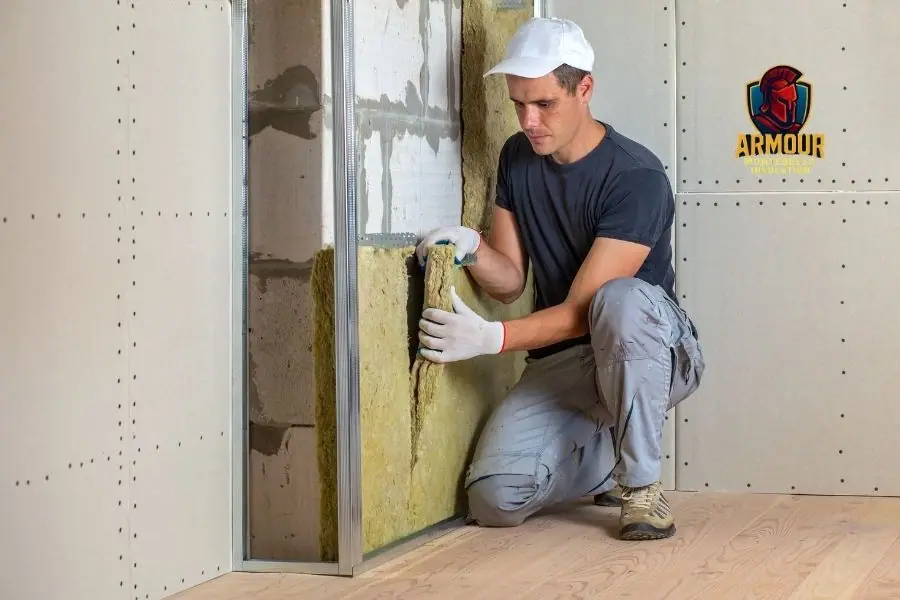
Mineral wool batts are cut and friction-fit into wall cavities, attic rafter bays, or floor joists as specified. Our installers pay particular attention to full-fill installation with no voids, compressed corners, or gaps — the primary failure points that unde
- 05
Air Sealing and Vapor Management (1 to 2 Hours)
Following batt installation, we confirm that air sealing is complete and that vapor retarder requirements are met per California Building Code. In Montebello’s Hot-Dry climate, vapor retarders are typically not required on the interior face of wall insulation,
- 06
Final Inspection and Documentation (30 to 60 Minutes)
We perform a walkthrough with the homeowner or property manager, provide installation documentation for Title 24 compliance records, and answer any questions about maintenance and performance expectations.
Mineral Wool Insulation Methods and Approaches
Batt Installation — Standard Wall and Ceiling Cavities
The most common method for Montebello’s residential market, batt installation involves placing pre-cut mineral wool sections between framing members. This approach is ideal for new construction and open-wall renovation projects. In Montebello’s post-war homes with standard 16-inch on-center framing, mineral wool batts fit without cutting in most cases, speeding installation and reducing waste.
Rigid Mineral Wool Board — Continuous Insulation Applications
Rigid mineral wool board is used as continuous insulation on exterior walls, particularly in commercial renovations along Whittier Boulevard or multi-family residential re-cladding projects. It eliminates thermal bridging through studs — a factor that can reduce effective R-value by 15–20% in standard framed walls. Rigid board is also used under concrete slabs in crawl space encapsulation projects. See our crawl space insulation services.
Blown-In Mineral Wool — Retrofit Attic Applications
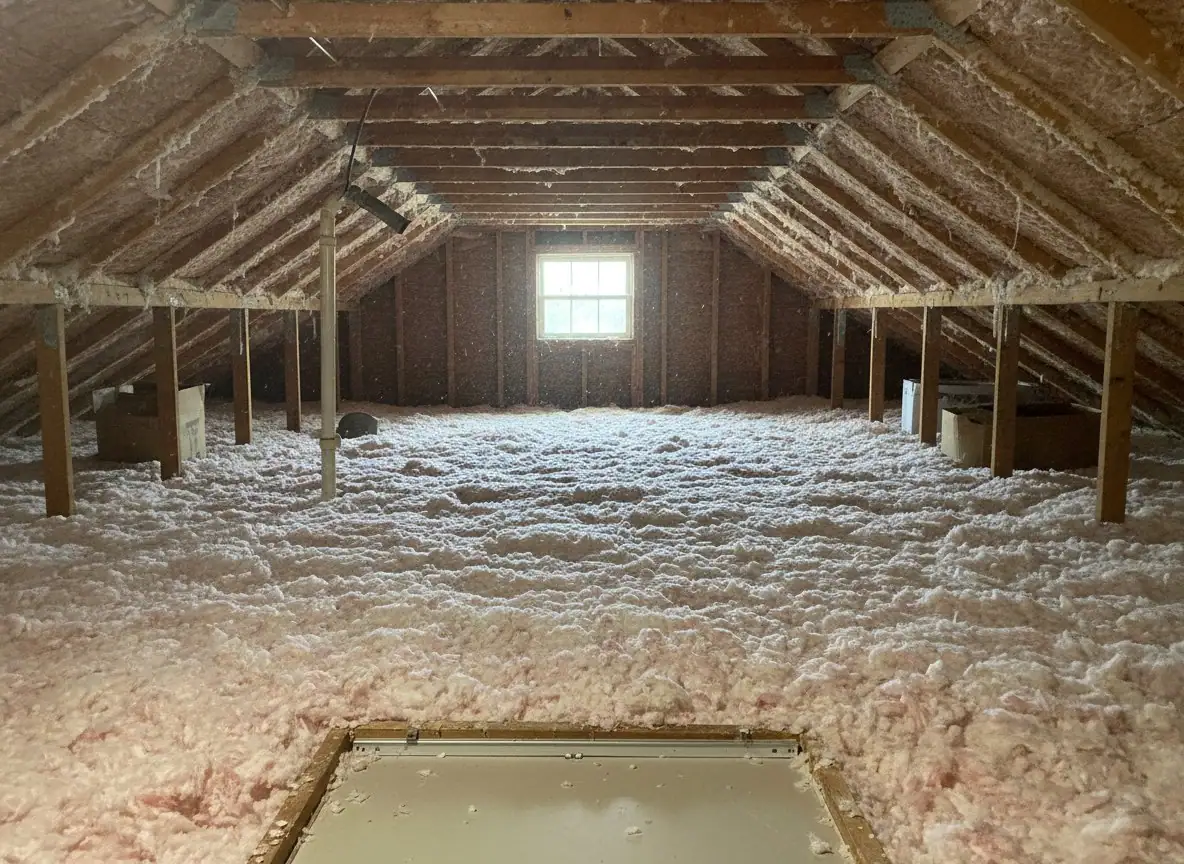
For Montebello homes where attic access is limited or where installing batts would require significant disruption, blown-in mineral wool can be distributed across the attic floor to achieve R-38 or R-49 coverage. This method is efficient, minimally invasive, and does not disturb existing ceiling finishes. Explore our blow-in insulation services.
Sound Isolation Mineral Wool — Multi-Family and Mixed-Use Properties
In Montebello’s condominium complexes and mixed-use buildings near the town center, mineral wool’s high STC rating makes it the preferred choice for party walls and floor-ceiling assemblies. We select high-density mineral wool products rated specifically for sound transmission reduction in these applications.
Mineral Wool Insulation Cost in Montebello, CA
Understanding the cost of mineral wool insulation helps Montebello homeowners and property managers plan and budget appropriately. Pricing varies based on scope, accessibility, existing conditions, and the specific product required.
Typical Price Ranges
- Wall cavity batt installation (2×4 framing, R-15): $1.50–$2.50 per square foot installed, or approximately $3,000–$5,500 for a 1,500 sq ft single-story home.
- Attic batt or blown-in to R-38: $1.80–$3.00 per square foot, or approximately $2,700–$4,500 for a 1,500 sq ft attic footprint.
- Rigid mineral wool board (exterior continuous insulation): $3.00–$5.50 per square foot installed, depending on thickness and facade complexity.
- Sound isolation wall assembly: $2.00–$3.50 per square foot, commonly used in Montebello multi-family properties.
Read moreShow less
Cost Factors Specific to Montebello
Older homes in the Montebello Hills and western residential corridors frequently require insulation removal ($0.75–$1.50/sq ft) before new mineral wool can be installed, adding to total project cost. Pest remediation — particularly for rodent damage common near the Rio Hondo greenbelt — may also be required prior to installation. California’s prevailing wage requirements apply to certain commercial and publicly funded projects, which can affect labor costs on those jobs.
Many California homeowners qualify for rebates through SoCal Edison’s Energy Upgrade California program, which can offset $200–$1,500 of insulation upgrade costs depending on scope. We can assist with documentation required for rebate applications. Call (323) 741-5848 for a precise estimate.
Montebello Neighborhoods We Serve
Montebello Hills
This elevated residential area features custom homes primarily built between 1965 and 1985. Properties here tend to have larger floor plans with complex rooflines that require custom-cut mineral wool batt installation in irregular rafter bays. Hilltop exposure also increases wind-driven air infiltration, making thorough air sealing a priority alongside insulation upgrades.
West Montebello / Garfield Avenue Corridor
This densely developed area contains a high concentration of post-war bungalows and ranch homes built in the 1945–1960 era, many with original wall cavities that were never insulated. Mineral wool batt retrofits in open-stud walls during remodeling projects are common here, and full attic upgrades to Title 24 compliance are frequently needed.
Montebello Town Center Area
The mixed residential and commercial properties surrounding the Montebello Town Center include older apartment buildings and small commercial structures. Mineral wool’s fire resistance and acoustic performance are especially valuable in these densely occupied multi-unit buildings where party wall performance is critical for tenant comfort.
South Montebello / Rio Hondo Adjacent
Properties near the Rio Hondo channel experience higher ambient humidity and occasional ground moisture concerns. Mineral wool’s hydrophobic properties make it the preferred insulation choice in crawl spaces and lower-level wall assemblies in this area. Learn about our crawl space encapsulation services.
Mineral Wool Insulation Maintenance Tips for Montebello Homeowners
- Inspect your attic annually before summer: Check for signs of pest intrusion, moisture staining, or displaced batts before Montebello’s peak cooling season begins in June.
- Check attic ventilation after Santa Ana wind events: High-velocity Santa Ana winds can dislodge attic baffles and affect insulation performance. Inspect following any wind event exceeding 50 mph.
- Monitor for moisture after heavy rainfall: While mineral wool is hydrophobic, roof leaks can saturate any insulation material. Inspect after significant storms — Los Angeles received over 30 inches of rain during the 2022–23 season, the wettest in recent memory.
- Do not compress mineral wool during storage of attic items: Compression reduces R-value. Store items on elevated platforms or in dedicated storage areas, not directly on insulation batts.
- Seal new electrical or plumbing penetrations promptly: Any new utility penetrations through insulated assemblies should be sealed with fire-rated caulk to maintain the air barrier.
- Schedule a post-earthquake inspection: After any earthquake of M4.0 or greater with an epicenter within 20 miles, have a professional check for insulation displacement in wall cavities.
- Re-evaluate insulation levels before Title 24 permit inspections: If you are planning a permitted renovation, confirm current insulation meets code minimums to avoid compliance delays.
Why Choose Armour Montebello Insulation
Armour Montebello Insulation is a locally focused insulation contractor with deep familiarity with the specific construction conditions, climate demands, and building code requirements that affect properties in Montebello, CA. We do not apply one-size-fits-all solutions — every project begins with a thorough site assessment that accounts for your home’s specific framing era, existing insulation condition, and climate exposure.
Our team has direct experience working in Montebello’s older residential corridors, its hillside custom home developments, and its commercial and multi-family properties. We understand the post-war construction conventions that affect insulation retrofits in homes built before modern energy codes were in place, and we know how to work within those constraints efficiently.
Read moreShow less
We use premium mineral wool products from leading manufacturers and adhere to California Title 24 installation standards on every project. Our work is backed by manufacturer material warranties and our own craftsmanship guarantee — if any installation defect is identified within the warranty period, we return and correct it at no cost.
For questions about mineral wool insulation, scheduling, or pricing, contact us at (323) 741-5848. View our full insulation installation services to see everything we offer.
FAQ
Frequently Asked Questions — Mineral Wool Insulation in Montebello, CA
How much does mineral wool insulation cost in Montebello?
Mineral wool insulation in Montebello typically costs between $1.50 and $3.00 per square foot installed for standard residential wall and attic applications. A full attic upgrade on a 1,500 sq ft home commonly ranges from $2,700 to $4,500 before any applicable rebates. Factors such as insulation removal, pest remediation, and attic accessibility affect final pricing. Call (323) 741-5848 for a free on-site estimate.
Is mineral wool better than fiberglass for Montebello homes?
For most Montebello applications, mineral wool offers meaningful advantages over fiberglass. It is non-combustible (important given Southern California wildfire smoke and ember risk), more dimensionally stable in the thermal cycling of the Los Angeles Basin climate, naturally water-resistant, and provides significantly better sound isolation. For older homes along the Garfield Avenue corridor, mineral wool also holds its shape in aging wall cavities where fiberglass tends to compress and lose R-value.
How long does mineral wool insulation installation take?
A standard attic insulation upgrade in a 1,200–1,800 sq ft Montebello home typically takes one full day. Wall cavity projects requiring removal of old insulation may take two days. Larger commercial projects or whole-house re-insulation scopes are estimated individually. We minimize disruption by working systematically and cleaning up thoroughly before we leave.
Does mineral wool insulation help with noise from the 60 Freeway?
Yes. Mineral wool’s high density and fibrous structure absorb and dampen airborne sound significantly better than fiberglass. Homes along or near the 60 Freeway corridor in north Montebello benefit from mineral wool in exterior walls, which can reduce traffic noise infiltration measurably compared to unfaced fiberglass. For maximum acoustic performance, we combine mineral wool with proper air sealing at all wall penetrations.
Will upgrading to mineral wool insulation qualify me for rebates in California?
Many Montebello homeowners qualify for rebates through SoCal Edison’s Energy Upgrade California program. Rebate amounts vary based on the scope of improvement and the pre-installation R-value of existing insulation, but typical rebates range from $200 to $1,500. We assist with the documentation required for rebate applications as part of our service.
Do I need to replace my insulation after the 1987 Whittier Narrows earthquake zone activity?
If your Montebello home was built before 1990 and has not had an insulation assessment since then, it is very likely that any original fiberglass batt insulation has been affected by decades of seismic activity, settling, and thermal cycling. We recommend a professional inspection for any pre-1990 structure that has not been evaluated. Mineral wool’s friction-fit installation resists future displacement better than unfaced fiberglass batts.
Is mineral wool safe for indoor air quality?
Yes. Modern mineral wool products are classified as non-hazardous by the International Agency for Research on Cancer (IARC) and do not release airborne fibers once installed and enclosed. For Montebello residents already managing elevated outdoor PM2.5 from nearby freeway corridors, this makes mineral wool a preferable choice over materials that can shed particles during handling or when disturbed.
Can mineral wool insulation be installed in a crawl space?
Yes. Rigid mineral wool board is an excellent choice for crawl space insulation, particularly in South Montebello properties near the Rio Hondo channel where ground moisture is elevated. Its hydrophobic properties prevent moisture absorption that would compromise fiberglass in these conditions. Learn more about crawl space insulation options for below-grade and low-clearance applications.
Get a Free Mineral Wool Insulation Estimate in Montebello Today
If your Montebello home or commercial property is losing energy to inadequate or aging insulation, Armour Montebello Insulation is ready to help. We offer free, no-obligation on-site assessments and detailed written proposals so you know exactly what to expect before any work begins.
Whether your property is a post-war bungalow on the west side of the city, a hillside custom home in Montebello Hills, or a multi-family building near the Town Center, we have the product knowledge and local experience to deliver a mineral wool insulation upgrade that meets California Title 24 standards and stands up to the demands of the Southern California climate.
Call us now at (323) 741-5848 to schedule your free assessment. Our team is ready to answer your questions and get your project on the calendar.
Get in touch
Find insulation help near you
Request a free estimate online or give us a call — our team will follow up quickly.
- Call us(323) 741-5848
- Visit1125 S Maple Ave, Montebello, CA 90640
- HoursMon-Sun 07:00-19:00