
Cellulose Insulation in Montebello, CA
Energy-Saving Cellulose Insulation for Montebello, CA Homes — Licensed & Insured
Need cellulose insulation in Montebello, CA? Armour Montebello Insulation offers expert blown-in cellulose for attics, walls & crawl spaces. Call (323) 741-5848 today.
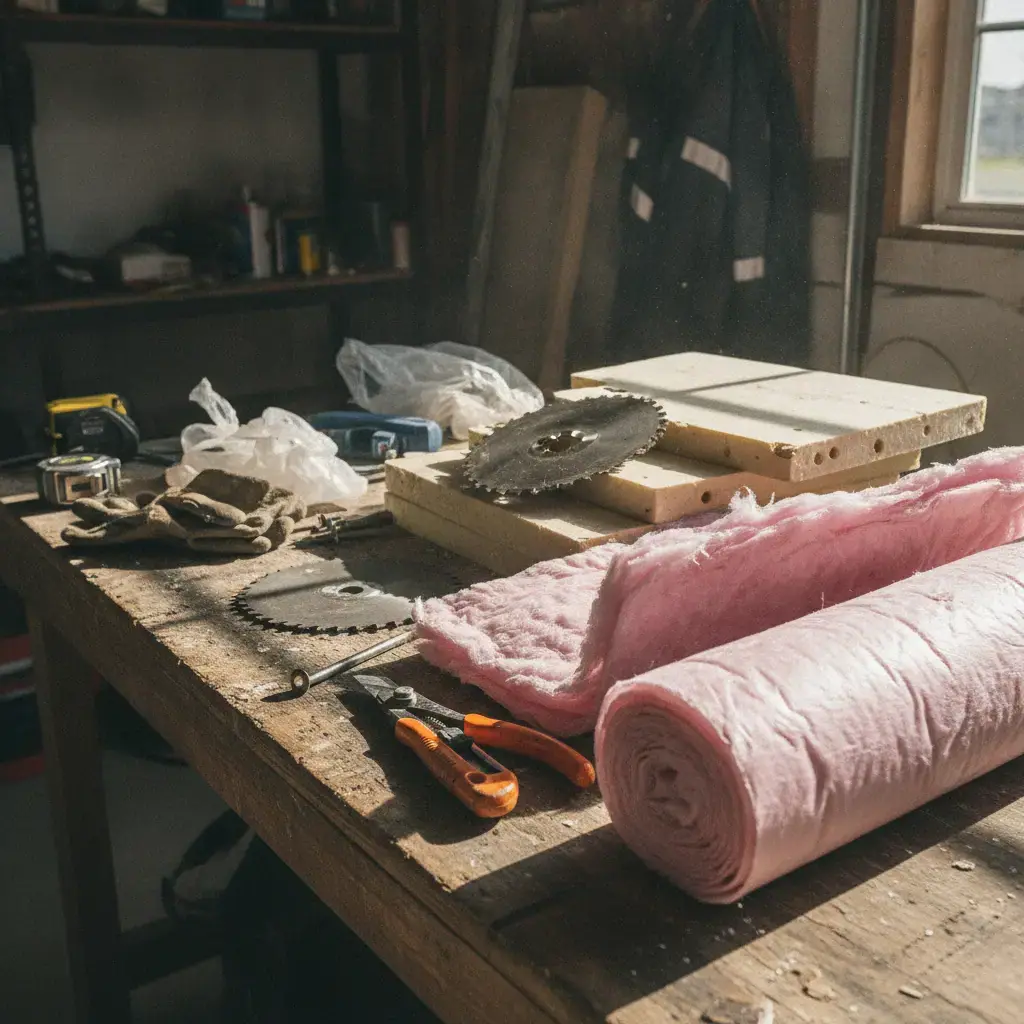
Cellulose insulation is a plant-based, recycled-fiber thermal and acoustic barrier installed inside walls, attics, and floors to regulate indoor temperature and reduce energy loss. Made primarily from reclaimed newsprint and cardboard treated with fire-retardant borate compounds, it delivers superior coverage in irregular cavities that other insulation types cannot easily reach.
In Montebello, CA — where summer temperatures regularly push past 95°F in the San Gabriel Valley heat corridor and mild winters still demand consistent heating — proper insulation is not a luxury. It is a year-round necessity. Homes and commercial buildings throughout Montebello face a specific combination of Mediterranean climate swings, aging building stock from the postwar housing boom, and urban heat-island effects that make cellulose insulation one of the most effective and cost-efficient solutions available.
Read moreShow less
At Armour Montebello Insulation, our team brings hands-on expertise installing cellulose insulation across Montebello’s diverse residential and light-commercial properties. Call us today at (323) 741-5848 to schedule your assessment.
Understanding Cellulose Insulation
Cellulose insulation has a longer track record than most homeowners realize. Its modern form emerged in the 1970s energy crisis, when the United States government began incentivizing recycled-content building materials as a way to reduce dependence on imported fuels. However, loose-fill fibrous insulation made from plant materials dates back to the early 20th century, when sawdust and shredded newspaper were commonly packed into wall cavities of craftsman bungalows and Victorian-era homes.
Today’s cellulose insulation is composed of approximately 75–85% post-consumer recycled paper fiber, primarily from newspapers, cardboard, and office waste. The remaining 15–25% consists of borate-based compounds — typically borax and boric acid — that provide fire resistance, mold inhibition, and pest deterrence. This chemical treatment allows cellulose to achieve a Class 1 fire-rating while remaining one of the most environmentally responsible insulation choices on the market.
Read moreShow less
Thermal and Acoustic Performance
Cellulose achieves an R-value of approximately R-3.2 to R-3.8 per inch, depending on installation density. For a standard Montebello attic requiring R-38 coverage — the minimum recommended by California’s Title 24 Building Energy Standards — this translates to roughly 10–12 inches of blown-in cellulose. Because the fibers interlock and conform to irregular surfaces, cellulose fills gaps around wiring, plumbing, and framing members that rigid board or batt insulation would leave exposed.
Beyond thermal performance, cellulose is a recognized sound-dampening material. Its density and fiber structure absorb airborne sound waves more effectively than fiberglass batts of comparable R-value. For Montebello residents living near the 60 Freeway corridor, the Pomona Freeway interchange, or the industrial zones along Garfield Avenue, this acoustic benefit translates directly into quieter living spaces.
Prevalence in Montebello’s Building Stock
Montebello experienced its most intensive residential development between 1945 and 1965, when returning veterans and growing working-class families settled the area. Many of these mid-century tract homes were built with minimal wall insulation — often single-layer fiberglass batts rated at R-11 or lower — and uninsulated attic spaces. Decades of thermal cycling, moisture, and settling have degraded what insulation existed. Cellulose blown into existing wall cavities and attic floors has become the preferred retrofit solution for this building era because it requires no major demolition.
Why Cellulose Insulation Is Needed in Montebello, CA
San Gabriel Valley Heat Island Effect
Montebello sits at the western edge of the San Gabriel Valley, a basin geography that traps radiant heat between the San Gabriel Mountains to the north and the Puente Hills to the southeast. The California Department of Water Resources reports that inland valley communities like Montebello regularly record temperatures 8–12°F higher than nearby coastal cities such as Long Beach or Santa Monica during summer heat events. The California Office of Environmental Health Hazard Assessment identified multiple extreme heat events affecting the Montebello-Commerce-Bell area between 2018 and 2023, with recorded highs at Montebello’s weather stations exceeding 108°F during the September 2022 heatwave.
Without adequate attic insulation — which acts as a thermal barrier between superheated roof decking and living spaces — indoor temperatures in a typical Montebello 1950s home can climb to 85–90°F even with air conditioning running, as HVAC systems struggle to overcome continuous heat conduction through uninsulated attic floors.
Aging Mid-Century Housing Stock
The neighborhoods of Old Town Montebello, the West Montebello residential tracts, and the Vail Avenue corridor contain the highest concentration of pre-1965 construction in the city. Many of these homes were built to the building codes of their era, which required no attic insulation at all and permitted wall insulation as thin as 2 inches of low-density fiberglass. Title 24 energy compliance standards, introduced progressively since 1978, now require significantly higher R-values, but existing homes are only required to upgrade insulation during permitted renovations. Thousands of Montebello households continue operating with original insulation that has compressed, moisture-damaged, or rodent-contaminated material providing effective R-values of R-4 or lower.
Mediterranean Climate Thermal Cycling
Montebello’s Mediterranean-influenced climate produces temperature swings of 30–40°F between nighttime lows and afternoon highs during spring and fall months. This daily thermal cycling causes building materials to expand and contract repeatedly, accelerating the compression and settling of older insulation products. Cellulose resists compaction better than fiberglass under repeated thermal cycling because its interlocked fiber structure distributes stress across the material matrix rather than concentrating it at individual fiber contact points.
Industrial Corridor Proximity and Moisture Factors
Properties in East Montebello near the Montebello Business Park and along Washington Boulevard experience elevated particulate matter from nearby industrial and logistics operations. Air infiltration through poorly insulated walls and attic bypasses draws this particulate-laden outdoor air into living spaces. Cellulose insulation, when installed at proper density, significantly reduces air infiltration rates — studies from the Cellulose Insulation Manufacturers Association document infiltration reductions of 20–30% compared to open-blown fiberglass in similar applications.
Additionally, Montebello’s location in a historically low-lying basin means crawl spaces in older homes on the city’s eastern residential streets encounter seasonal ground moisture from shallow water table conditions. This ground moisture can migrate into wall cavities, compounding insulation degradation in homes that already have aging, low-density batt insulation.
Free, no-obligation estimates
Talk to Armour Montebello Insulation
Tell us what you need and we’ll take it from there.
Signs You Need Cellulose Insulation in Montebello
Energy and Comfort Indicators
- Monthly SoCalGas or Edison bills that have increased more than 15% year-over-year without a change in usage habits
- Rooms on the top floor or under the roofline that are consistently 5°F or more warmer than the rest of the home during summer afternoons
- HVAC system running continuously for 45 minutes or longer to maintain set temperature during summer days above 90°F
- Cold floors above uninsulated crawl spaces during winter months
Visual and Physical Symptoms
- Visible light gaps or daylight visible around recessed lighting fixtures when viewed from an unfinished attic
- Existing attic insulation that appears flattened to less than 4 inches in depth (indicating compressed, degraded material)
- Yellow or pink fiberglass batt insulation with visible dark staining, moisture damage, or rodent tunneling
- Condensation on interior wall surfaces during winter mornings in rooms facing north or east
Urgency Indicators
- Presence of rodent droppings or nesting material in attic — contaminated insulation must be removed before replacement
- Musty or ammonia odors from attic spaces indicating mold growth or animal waste in existing insulation
- Upcoming permitted renovation that will trigger Title 24 compliance requirements
Our process
Our Cellulose Insulation Installation Process in Montebello
Armour Montebello Insulation follows a structured, step-by-step process designed for the specific conditions found in Montebello’s residential and commercial properties. Here is what to expect from your first call to project completion.
- 01
Initial Consultation and Energy Assessment (Day 1 — 60 to 90 Minutes)
Our technician visits your Montebello property, reviews existing insulation conditions, identifies air bypasses, and documents current R-values. We check for common Montebello-specific issues including attic bypasses around older electrical boxes common in pre
- 02
Insulation Removal (If Required) (Day 2 — 2 to 6 Hours)
When existing insulation is contaminated, severely degraded, or pest-damaged — a common finding in Montebello’s older West Side residential tracts — our crew removes the material using HEPA-filtered vacuum equipment, bags it, and disposes of it in compliance w
- 03
Air Sealing and Prep (Day 2 or 3 — 2 to 4 Hours)
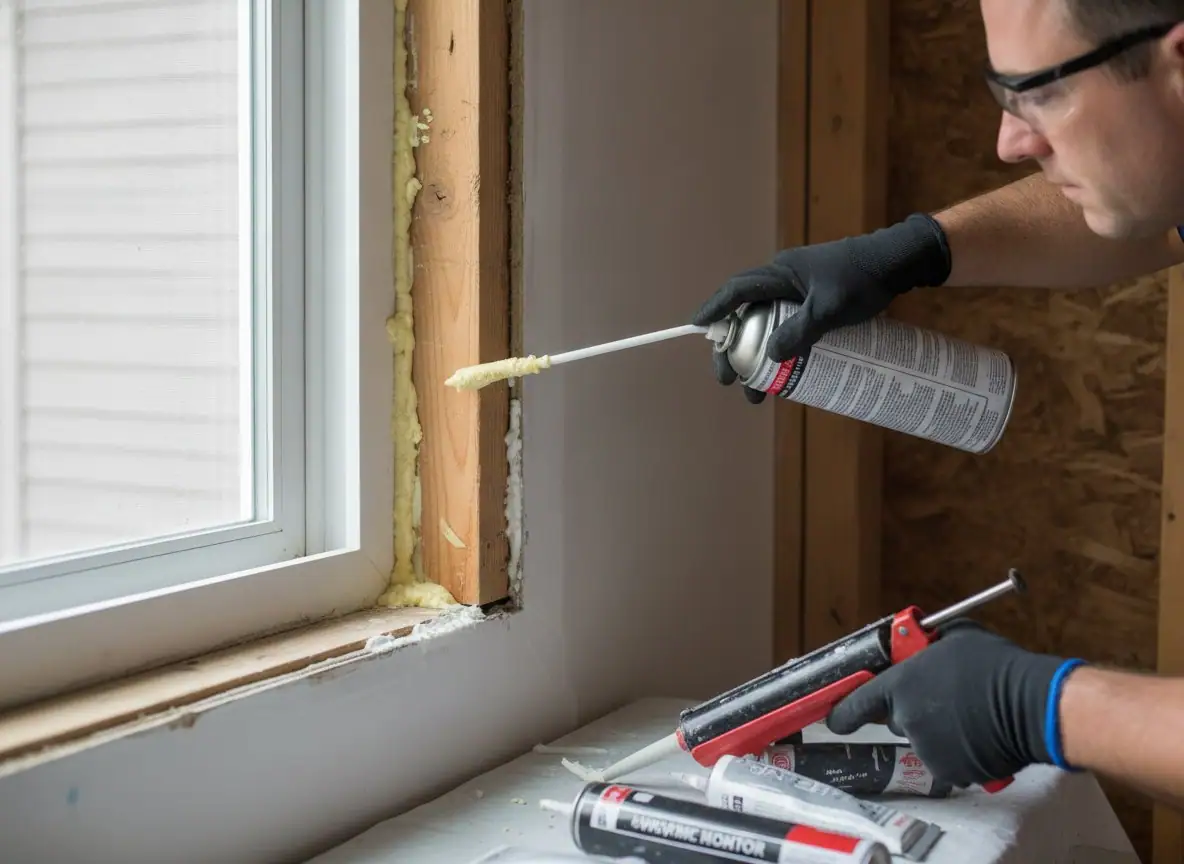
Before any cellulose is installed, we seal attic bypasses, top-plate gaps, and recessed light penetrations using spray foam and fire-rated caulk. This step is critical in Montebello’s older homes where attic-to-living-space air leakage is a primary driver of e
- 04
Depth Marker Installation
We install ruler depth markers throughout the attic floor to ensure consistent coverage depth meeting or exceeding California Title 24 minimums — typically a minimum installed depth of 10.25 inches to achieve R-38.
- 05
Cellulose Blow-In Installation (3 to 6 Hours Depending on Square Footage)
Our crew uses calibrated blowing equipment to install cellulose at the correct density — typically 1.5 to 2.0 lbs per cubic foot for attic applications. Wall cavity applications use dense-pack methods at 3.0 to 3.5 lbs per cubic foot. Learn more about blow-in
- 06
Post-Installation Inspection and Depth Verification
A supervisor confirms depth markers are visible and consistent, checks all previously identified bypass areas, and documents final R-value achieved.
- 07
Site Cleanup and Client Walkthrough (30 to 45 Minutes)
We clean the work area, review results with the homeowner, and provide written documentation of installed R-value for Title 24 compliance or utility rebate applications through Southern California Edison or SoCalGas programs.
Cellulose Insulation Methods We Use in Montebello
Loose-Fill Blown Attic Installation
The most common method used in Montebello’s ranch-style and tract homes, loose-fill cellulose is pneumatically blown over the attic floor between joists. It is ideal for irregular attic geometries, around existing HVAC ducts, and over older fiberglass batts that do not require removal. Coverage depths are adjusted to meet Title 24 R-38 or R-49 requirements depending on the climate zone classification.
Dense-Pack Wall Cavity Installation
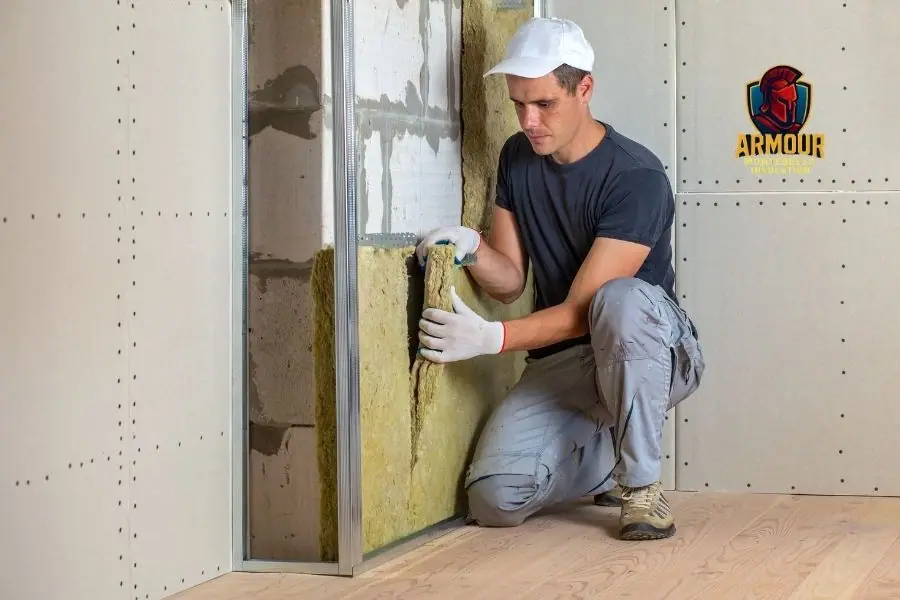
For Montebello homes built before 1980 with empty or poorly insulated wall cavities, dense-pack cellulose is injected through small holes drilled in the exterior siding or interior drywall. The fiber is compacted to 3.0–3.5 lbs per cubic foot, preventing future settling and dramatically improving wall R-values from near zero to R-13 or higher. Learn more about insulation installation
Stabilized Cellulose for Sloped or Cathedral Ceilings
Stabilized cellulose — mixed with a small amount of water to create a cohesive, spray-applicable material — is used in vaulted ceiling cavities and sloped roof sections common in Montebello’s 1960s split-level homes. The material adheres to surfaces and does not sag or migrate over time.
Spray-Applied Cellulose for New Construction Walls
For open-stud walls in new construction or major renovation projects in Montebello, wet-spray cellulose is applied directly to stud bays, then trimmed flush before drywall installation. This method achieves excellent coverage and air resistance. Learn about spray foam insulation alternatives
Combination Cellulose and Spray Foam Applications
In Montebello crawl spaces and attics with significant moisture exposure, we often combine closed-cell spray foam at the perimeter rim joists with loose-fill cellulose across the primary insulation field, addressing both moisture resistance and cost efficiency in a single installation. Explore crawl space insulation options
Cellulose Insulation Cost in Montebello, CA
Understanding cellulose insulation pricing helps Montebello homeowners plan and compare quotes accurately. Costs vary based on application type, square footage, existing insulation conditions, and accessibility factors specific to your property.
Typical Price Ranges for Montebello Properties
- Attic loose-fill cellulose (new installation, no removal): $1.00–$1.75 per square foot, or approximately $1,200–$2,800 for a typical 1,400–1,800 sq ft Montebello home attic
- Attic cellulose with prior insulation removal: $2.00–$3.25 per square foot, including removal and disposal fees
- Dense-pack wall cavity cellulose: $2.50–$4.50 per square foot of wall area, depending on exterior material type and access difficulty
- Crawl space cellulose insulation: $1,800–$4,500 for a typical Montebello home, varying by crawl space height, moisture conditions, and square footage. Learn about crawl space encapsulation
Read moreShow less
Cost Factors Specific to Montebello
Several local conditions affect final pricing. Homes in Montebello’s hillside areas near the Whittier Narrows Recreation Area may have attic access challenges that add $200–$500 to standard installation costs. Properties with rodent contamination — a documented issue in older East Montebello neighborhoods — require full removal and decontamination before new insulation can be installed, adding $800–$2,000 to project totals.
Available Rebates and Incentives
Southern California Edison and SoCalGas both offer rebate programs for qualifying insulation upgrades. SCE’s Energy Upgrade California program has historically provided $0.10–$0.15 per square foot for attic insulation upgrades meeting R-38 or higher requirements. Montebello residents should request documentation of installed R-value from our team to support rebate applications. Federal tax credits under the Inflation Reduction Act may also apply — up to 30% of insulation installation costs, capped at $1,200 annually for qualifying improvements.
Contact us at (323) 741-5848 for a detailed, no-obligation estimate specific to your Montebello property.
Montebello Neighborhoods We Serve
Old Town Montebello
The historic core of Montebello along West Beverly Boulevard and surrounding streets contains some of the city’s oldest residential construction — primarily bungalows and craftsman homes built between 1920 and 1945. These properties frequently have no original wall insulation and degraded or absent attic coverage. Dense-pack wall cellulose and full attic installations are the most requested services in this neighborhood.
West Montebello Residential Tracts
Postwar tract homes built between 1948 and 1962 dominate the streets west of Garfield Avenue. These 1,000–1,600 sq ft single-story homes share a common construction profile: minimal original insulation, slab or low-crawl-space foundations, and composition shingle roofs that absorb significant solar heat. Attic blow-in cellulose installations here typically require R-38 to R-49 depths to meet current energy standards.
Montebello Hills
The elevated residential areas near the Montebello Hills oil fields and adjacent to Whittier Narrows feature larger homes with vaulted or cathedral ceiling sections. Stabilized cellulose spray applications are commonly used in these properties alongside standard attic installations. Wind exposure on elevated lots also increases infiltration, making air sealing a priority before cellulose installation.
East Montebello and Washington Boulevard Corridor
Mixed residential and light-commercial properties in this area face elevated moisture exposure from proximity to the Rio Hondo river basin. Crawl space insulation and combination spray foam and cellulose approaches are frequently recommended here. Learn about our attic insulation services
Maintenance Tips for Cellulose Insulation in Montebello
Properly installed cellulose insulation requires minimal maintenance but benefits from periodic checks, especially given Montebello’s specific climate and building conditions.
- Annual Attic Visual Inspection: Each spring before Montebello’s hot season, briefly inspect your attic to confirm cellulose depth markers remain visible above the insulation surface. Significant settling — more than 1 to 1.5 inches — may indicate moisture infiltration.
- Check for Roof Leaks After Winter Storms: Southern California’s periodic atmospheric river events can deposit 2–5 inches of rain over 48 hours. Inspect attic areas after major rainfall for wet or compressed cellulose, which loses R-value when saturated.
- Maintain Attic Ventilation: Ensure soffit vents and ridge vents remain unobstructed. In Montebello’s summer heat, adequate attic ventilation prevents moisture buildup that can degrade cellulose over time.
- Control Crawl Space Moisture: Install or maintain vapor barriers in any crawl space areas to prevent ground moisture from migrating into cellulose-insulated floor assemblies.
- Pest Prevention: Seal foundation vents and roof penetrations annually. Montebello’s urban environment supports active rodent populations that can disturb and contaminate cellulose insulation.
- Avoid Compressing Insulation: If you use your attic for storage, keep items on raised platforms or dedicated storage boards rather than placing weight directly on the cellulose surface.
- Schedule Professional Assessment Every 10 Years: Have a certified insulation contractor evaluate R-value and material condition every decade, especially in homes built before 1980.
Why Choose Armour Montebello Insulation
Armour Montebello Insulation is a locally focused insulation contractor with deep familiarity with the building types, climate conditions, and energy requirements specific to Montebello and the surrounding San Gabriel Valley communities. Our technicians have hands-on experience with the mid-century tract homes of West Montebello, the older craftsman-era properties in Old Town, and the larger hillside residences near Montebello Hills.
We offer a comprehensive range of insulation services beyond cellulose — including spray foam insulation, attic insulation, blow-in insulation, crawl space encapsulation, crawl space insulation, insulation removal, and insulation replacement — allowing us to recommend and implement the solution that genuinely fits your property rather than defaulting to a single product.
Read moreShow less
Our installation teams are trained on California Title 24 compliance requirements, ensuring your project documentation supports utility rebate applications through Southern California Edison and SoCalGas programs. We use professional-grade blowing equipment calibrated to achieve consistent density and R-value across the entire installation area.
Every project begins with an honest, on-site assessment of your existing conditions. We do not sell you what you do not need. Call us at (323) 741-5848 to schedule your Montebello property assessment.
FAQ
Frequently Asked Questions About Cellulose Insulation in Montebello, CA
How much does cellulose insulation cost in Montebello, CA?
In Montebello, attic cellulose insulation typically costs between $1.00 and $1.75 per square foot for new installations without prior removal, translating to $1,200–$2,800 for a standard 1,400–1,800 sq ft home attic. Projects requiring removal of existing contaminated or degraded insulation first range from $2.00 to $3.25 per square foot. Dense-pack wall cavity applications run $2.50–$4.50 per square foot of wall surface. We provide specific written estimates after assessing your property — call (323) 741-5848 to schedule.
Is cellulose insulation better than fiberglass for Montebello homes?
For Montebello’s specific conditions — particularly the San Gabriel Valley heat island effect, aging pre-1965 housing stock, and irregular attic geometries — cellulose generally outperforms standard fiberglass batts. Cellulose fills gaps and voids that batts leave open, provides better air infiltration resistance, and performs consistently despite the 30–40°F daily temperature swings common in Montebello’s Mediterranean climate. Fiberglass may be appropriate in specific applications; our technicians will compare options honestly for your property.
How long does cellulose insulation installation take in a Montebello home?
A standard attic blow-in installation in a typical Montebello 1,400–1,600 sq ft home takes 4–8 hours including air sealing prep and post-inspection. Projects requiring prior insulation removal add 2–6 hours. Full wall dense-pack installations spanning an entire home may take 1.5 to 2 full days. We will provide a project-specific timeline during your initial assessment.
Does cellulose insulation help with sound reduction near the 60 Freeway?
Yes. For Montebello residents near the Pomona Freeway (I-60) corridor or industrial areas along Garfield Avenue, cellulose insulation provides measurable acoustic benefit. Its interlocked fiber density absorbs airborne sound more effectively than low-density fiberglass batts. Dense-pack cellulose in wall cavities is particularly effective for exterior wall sound reduction. While it will not eliminate freeway noise entirely, residents typically report noticeable reductions in ambient traffic sound levels.
Can cellulose insulation be installed over my existing fiberglass insulation in my Montebello attic?
In most cases, yes — provided the existing fiberglass is dry, free of pest contamination, and not significantly degraded. Adding a layer of blown cellulose over compressed original fiberglass batts is a common and cost-effective upgrade in Montebello’s postwar homes. If the existing insulation shows moisture damage, rodent activity, or mold — all documented issues in Montebello’s older East Side properties — removal first is recommended. Our technician will assess during the initial visit.
Are there rebates available for cellulose insulation in Montebello?
Yes. Southern California Edison and SoCalGas participate in the Energy Upgrade California program, offering rebates for qualifying attic insulation upgrades meeting R-38 or higher thresholds. Federal Inflation Reduction Act tax credits may provide an additional 30% credit on installation costs up to $1,200 annually. We provide the documentation needed to support your rebate applications upon project completion.
How long does cellulose insulation last in Montebello’s climate?
Properly installed cellulose insulation in a dry, well-ventilated attic environment can last 20–30 years or longer without significant performance loss. Montebello’s dry summer climate is favorable for cellulose longevity. The primary risks to lifespan are moisture intrusion from roof leaks during winter storm events, pest activity, and attic ventilation failures — all of which our installation process takes proactive steps to address.
What is dense-pack cellulose and does my Montebello home need it?
Dense-pack cellulose refers to cellulose fiber injected into enclosed wall or floor cavities at high density (3.0–3.5 lbs per cubic foot) rather than simply blown loosely. It is the correct method for filling existing wall cavities in Montebello homes built before 1980 that have little or no wall insulation. If your home on the older West Montebello residential streets has walls that are cold to the touch in winter or noticeably warm in summer, dense-pack wall cellulose is very likely appropriate for your property. Learn about insulation replacement options
Get Your Cellulose Insulation Estimate in Montebello Today
If your Montebello home is uncomfortable during summer heat events, your energy bills have been climbing, or your attic insulation is decades old and degraded, cellulose insulation from Armour Montebello Insulation is the practical, cost-effective solution proven to work in Montebello’s specific climate and building conditions.
We serve all of Montebello — from Old Town and the West Side residential tracts to Montebello Hills and the Washington Boulevard corridor. Our team provides honest assessments, detailed written estimates, and California Title 24 compliant installations with documentation you can use for utility rebate applications.
Call us now at (323) 741-5848 to schedule your on-site assessment. We are ready to help you make your Montebello property more comfortable, energy-efficient, and protected year-round.
Get in touch
Find insulation help near you
Request a free estimate online or give us a call — our team will follow up quickly.
- Call us(323) 741-5848
- Visit1125 S Maple Ave, Montebello, CA 90640
- HoursMon-Sun 07:00-19:00